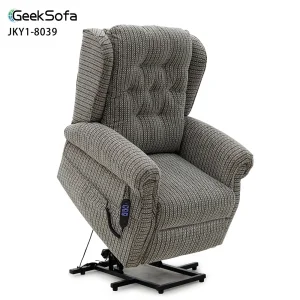
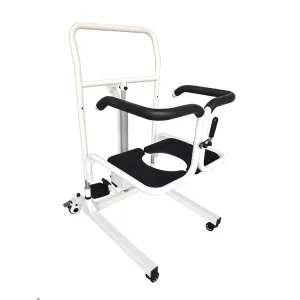
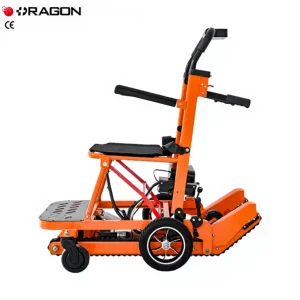
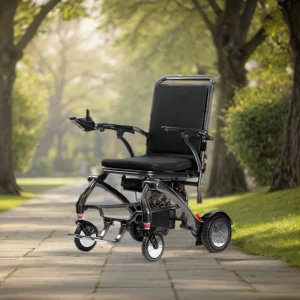
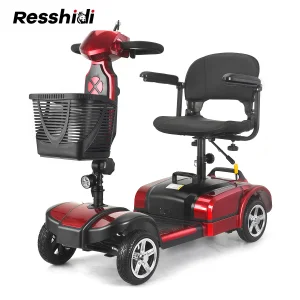
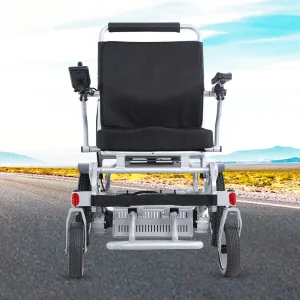
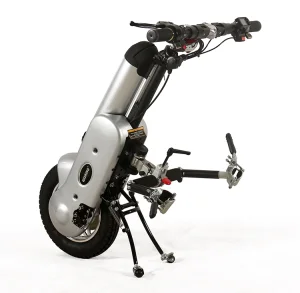
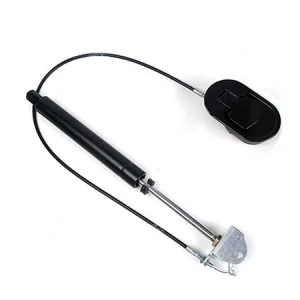
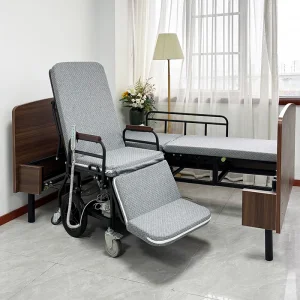
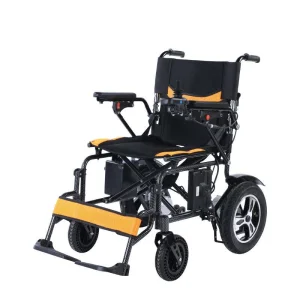
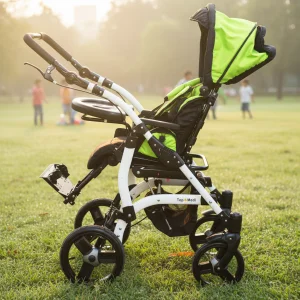
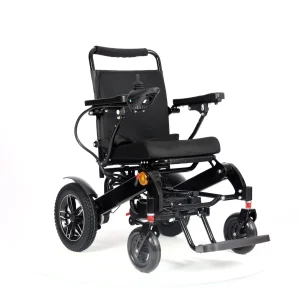
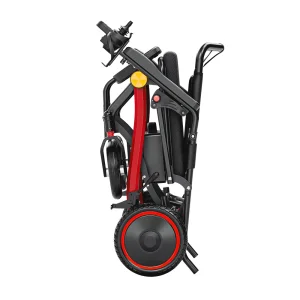
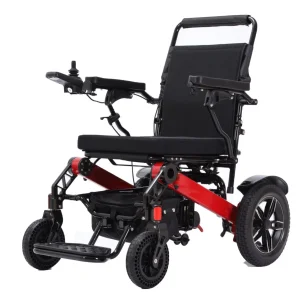
Explore our cutting-edge configurations trusted by rehabilitation institutions and global medical sourcing departments.
The global rehabilitation industry has undergone a monumental shift toward specialized motorized mobility solutions. Rear-Wheel Drive (RWD) wheelchairs represent the foundational architectural design in electrical mobility, providing unrivaled mechanical benefits for users who navigate both outdoor environments and rugged, uneven terrains. Historically, RWD configurations have maintained the largest market share in the electric wheelchair segment due to their intuitive drive characteristics (resembling standard passenger vehicles), high top speeds, and exceptional directional tracking.
From an industrial perspective, manufacturers specializing in RWD architectures leverage specific engineering design parameters to optimize force distribution. By placing the drive wheels behind the user’s center of gravity, RWD chairs capitalize on traction dynamics during incline climbs and speed acceleration. This distribution of load prevents tire slippage, rendering RWD power chairs the primary recommendation for active users requiring reliable daily transit across diverse terrains.
To fully grasp the technological roadmap of modern wheelchairs, we must analyze the spatial dynamics of the drive configurations. Below is an engineering comparison detailing how RWD systems outperform Mid-Wheel Drive (MWD) and Front-Wheel Drive (FWD) layouts in critical outdoor operational scenarios:
By positioning the motor assembly and primary drive wheels underneath the user’s rear trunk, RWD chairs direct the majority of the occupant’s weight onto the driving axis, translating directly into superior static and dynamic traction.
RWD systems prevent "snaking" (high-speed yaw oscillation). When accelerating up to 10–12 km/h, the trailing drive configuration ensures stable straight-line tracking, reducing the cognitive load on the wheelchair operator.
Equipped with active front casters, RWD frames tackle curbs and outdoor thresholds by using rear torque to push the front wheels over obstacles, combined with independent suspension elements to cushion shocks.
As industry leaders, our manufacturing processes are aligned with key future milestones. Key engineering parameters driving innovation include:
For B2B buyers—ranging from government healthcare systems and insurance providers to distributors and hospital networks—sourcing from a qualified manufacturer involves critical logistics, supply chain stability, and customization capacity. Modern production facilities must offer end-to-end Solutions:
Founded with a commitment to improving mobility and enhancing quality of life, Suzhou Welcare Wheelchair Co., Ltd. is a professional manufacturer and global supplier of mobility solutions, specializing in electric wheelchairs, power mobility devices, and rehabilitation equipment.
At Welcare, we believe that mobility is the foundation of independence and dignity. Guided by our philosophy of combining advanced technology with human-centered design, we are dedicated to developing innovative, safe, and reliable products that empower individuals with mobility challenges, seniors, and rehabilitation users to live more active and fulfilling lives.
With years of experience in the mobility industry, Welcare has established a strong research and development team, modern manufacturing facilities, and a comprehensive quality management system. By continuously investing in product innovation, intelligent control technologies, ergonomic design, and lightweight materials, we strive to provide users with superior comfort, convenience, and performance.
Our product portfolio includes a wide range of electric wheelchairs, foldable power wheelchairs, travel mobility solutions, and customized mobility products designed to meet the diverse needs of customers worldwide. Every product is manufactured according to strict international quality standards and undergoes rigorous testing to ensure safety, durability, and reliability.
Today, Welcare products are trusted by customers in more than 50 countries and regions across North America, Europe, Asia-Pacific, the Middle East, and beyond. Through close cooperation with distributors, healthcare institutions, and mobility solution providers, we continue to expand our global presence and deliver exceptional value to users around the world.
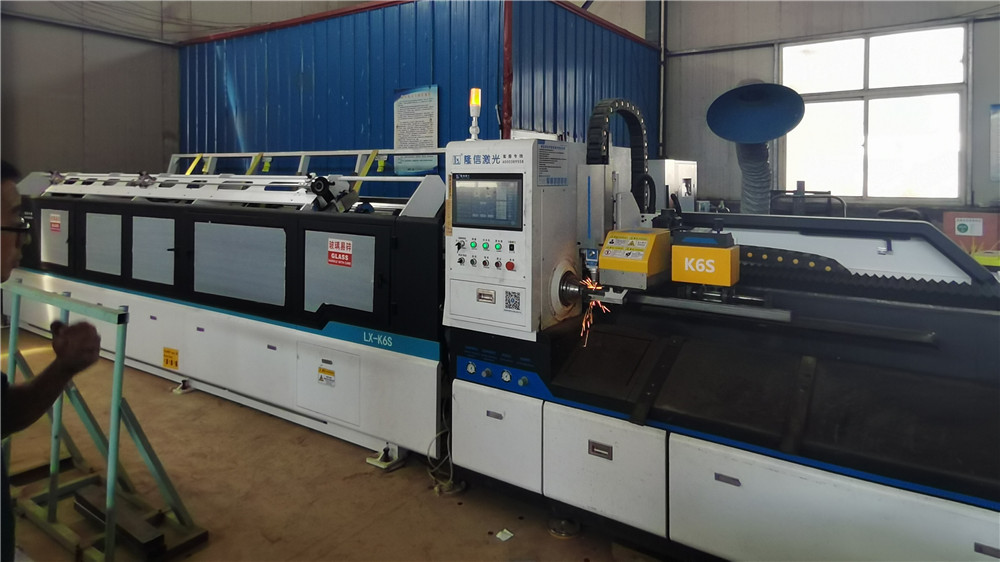
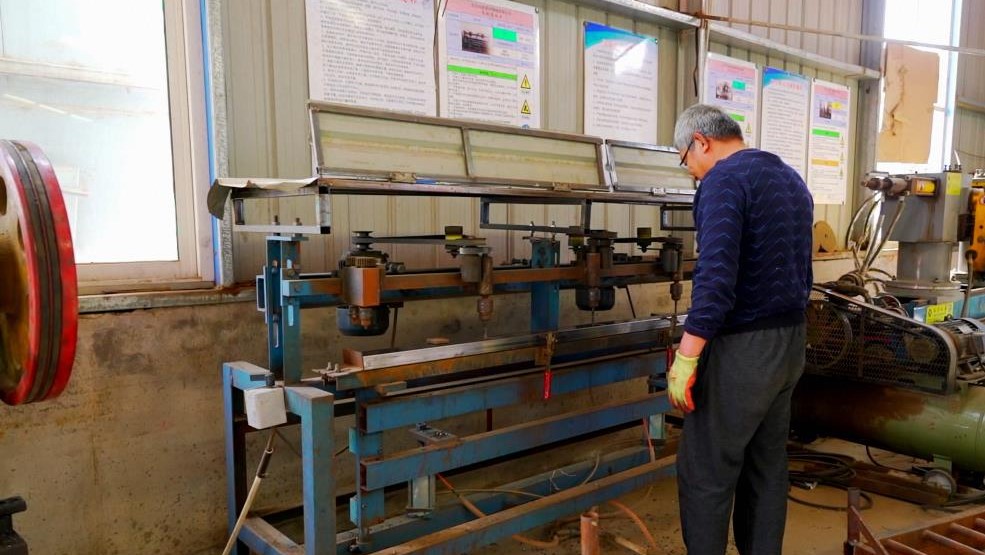
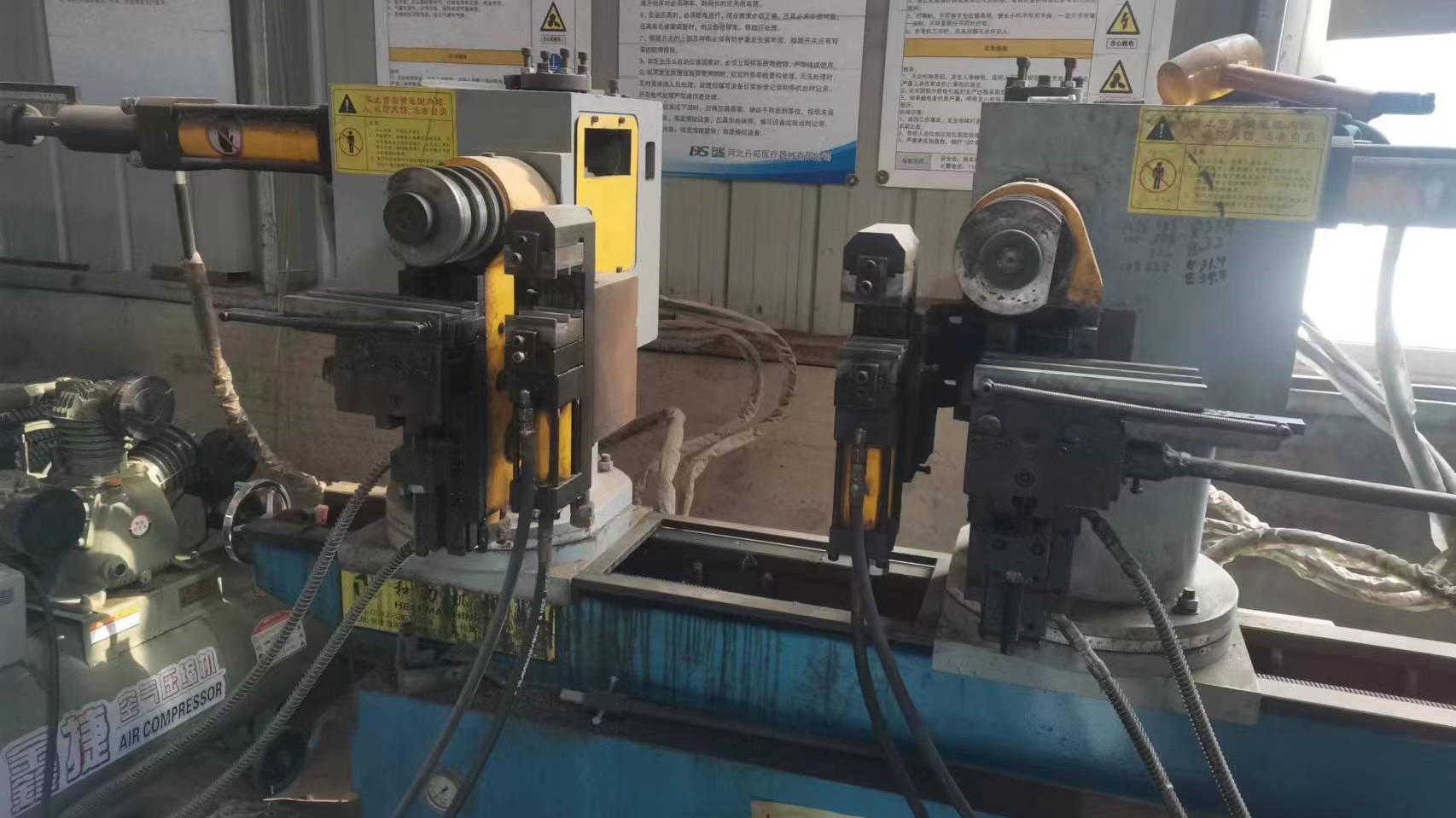
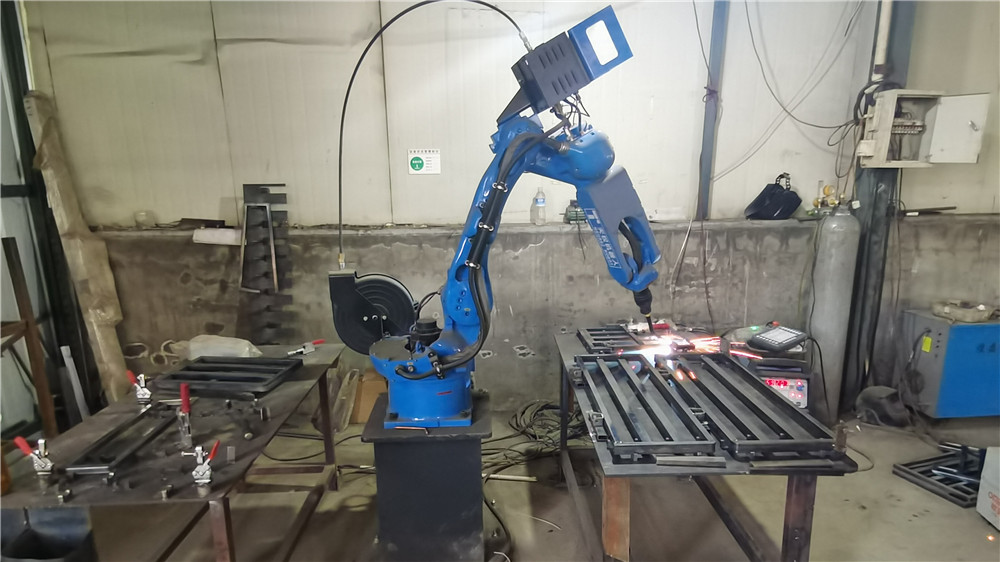
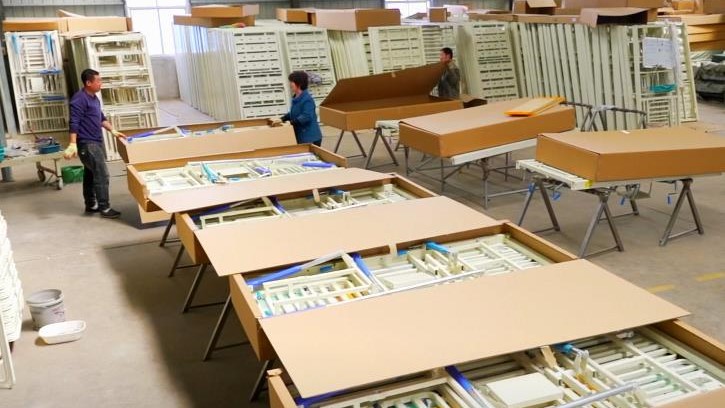
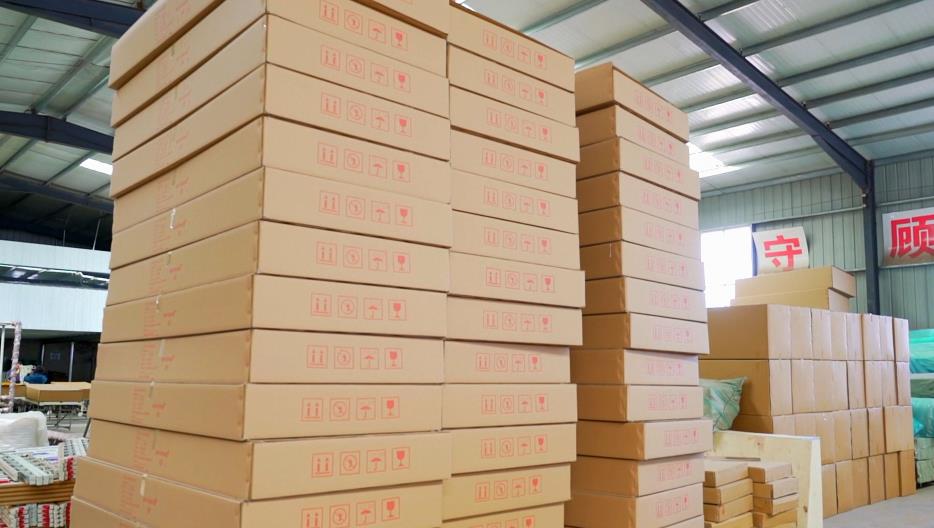
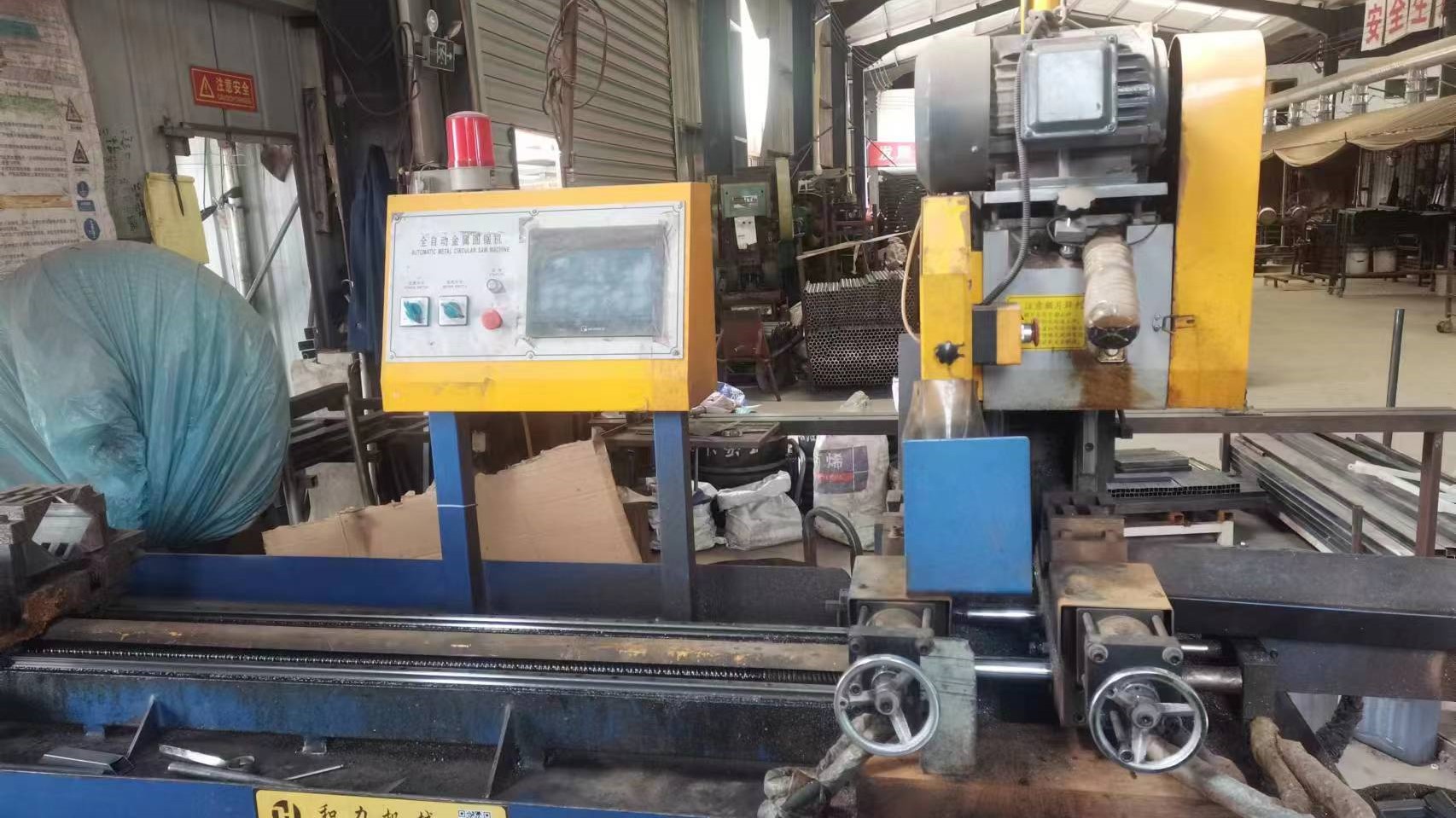
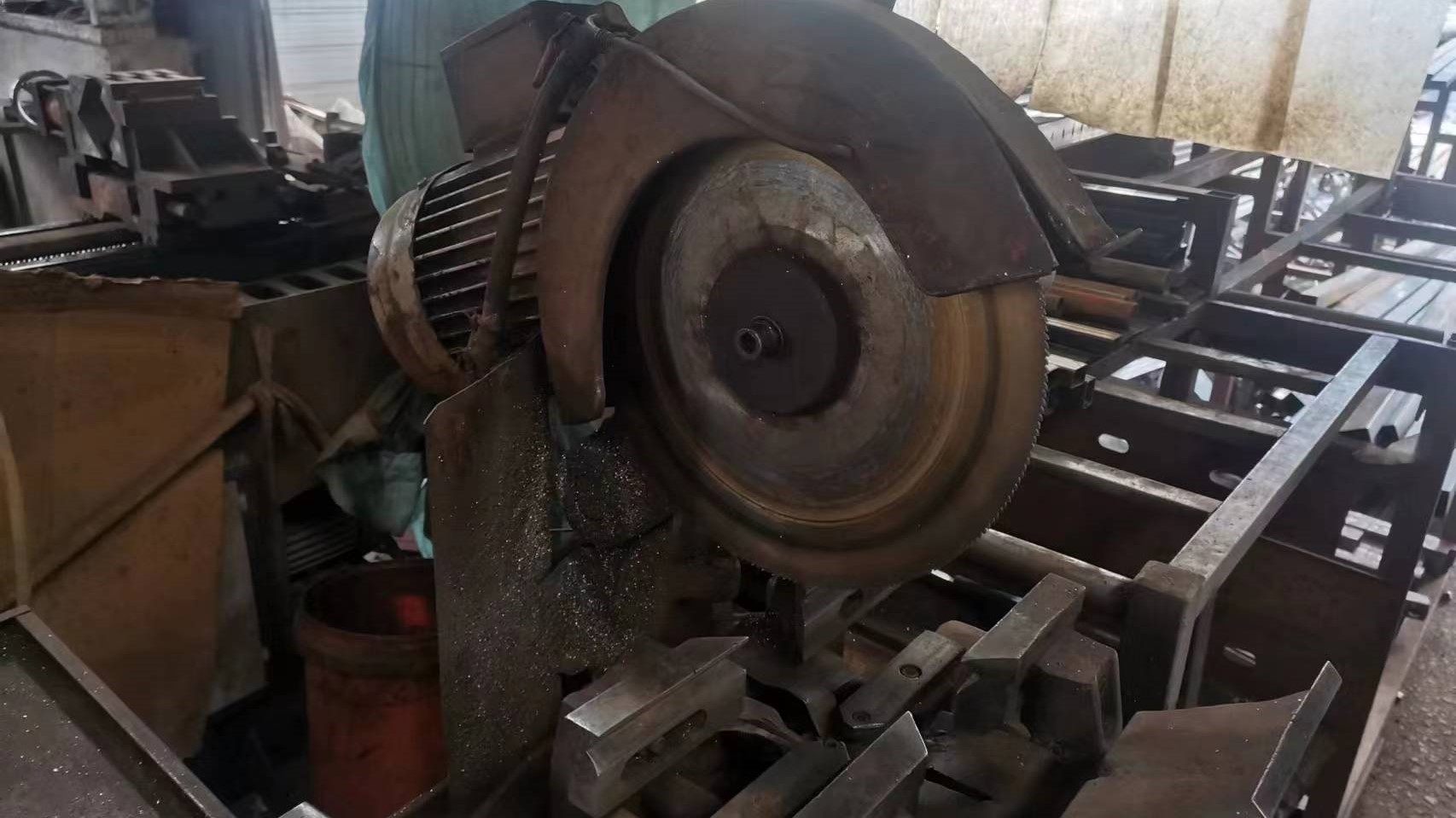
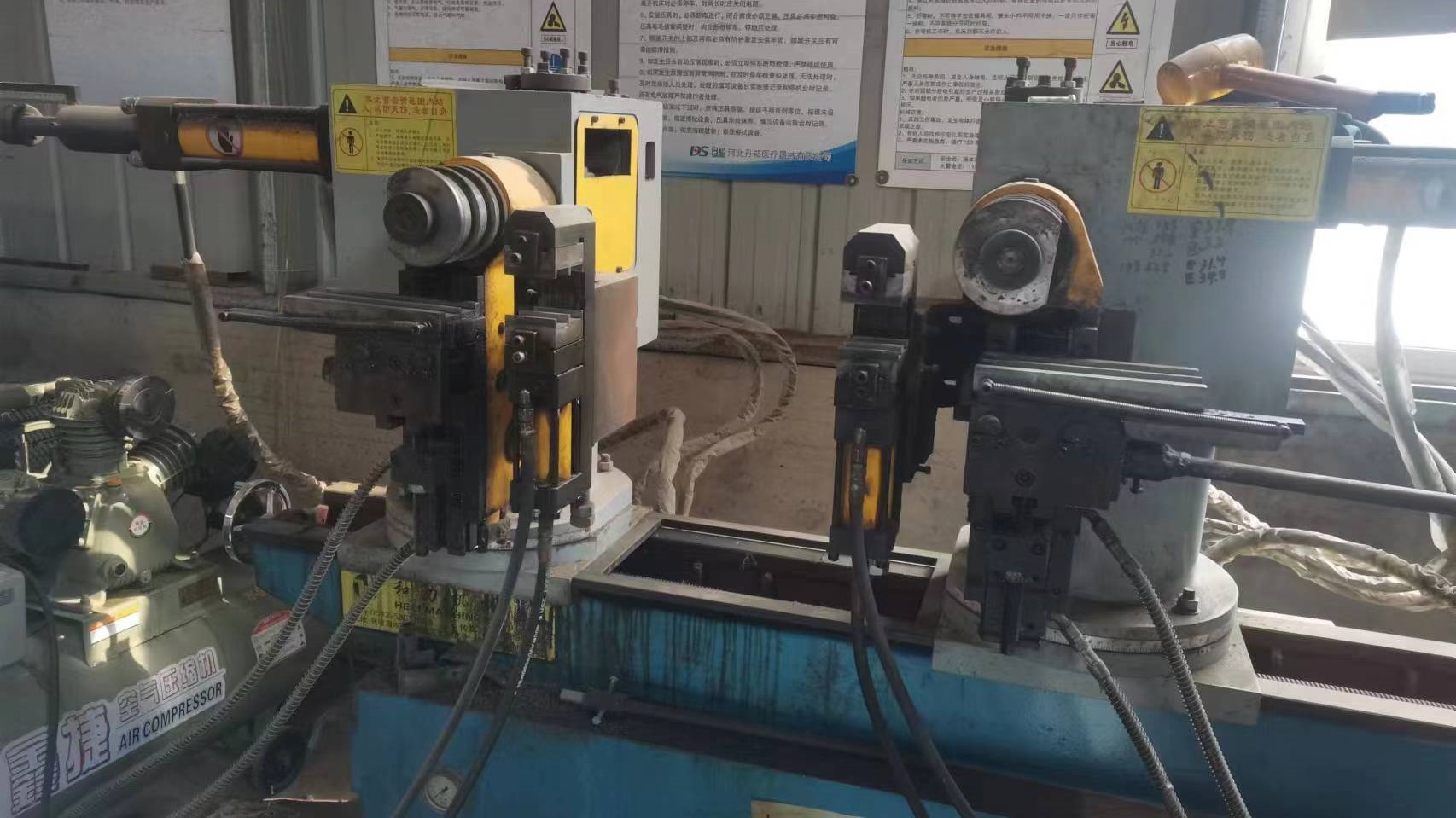
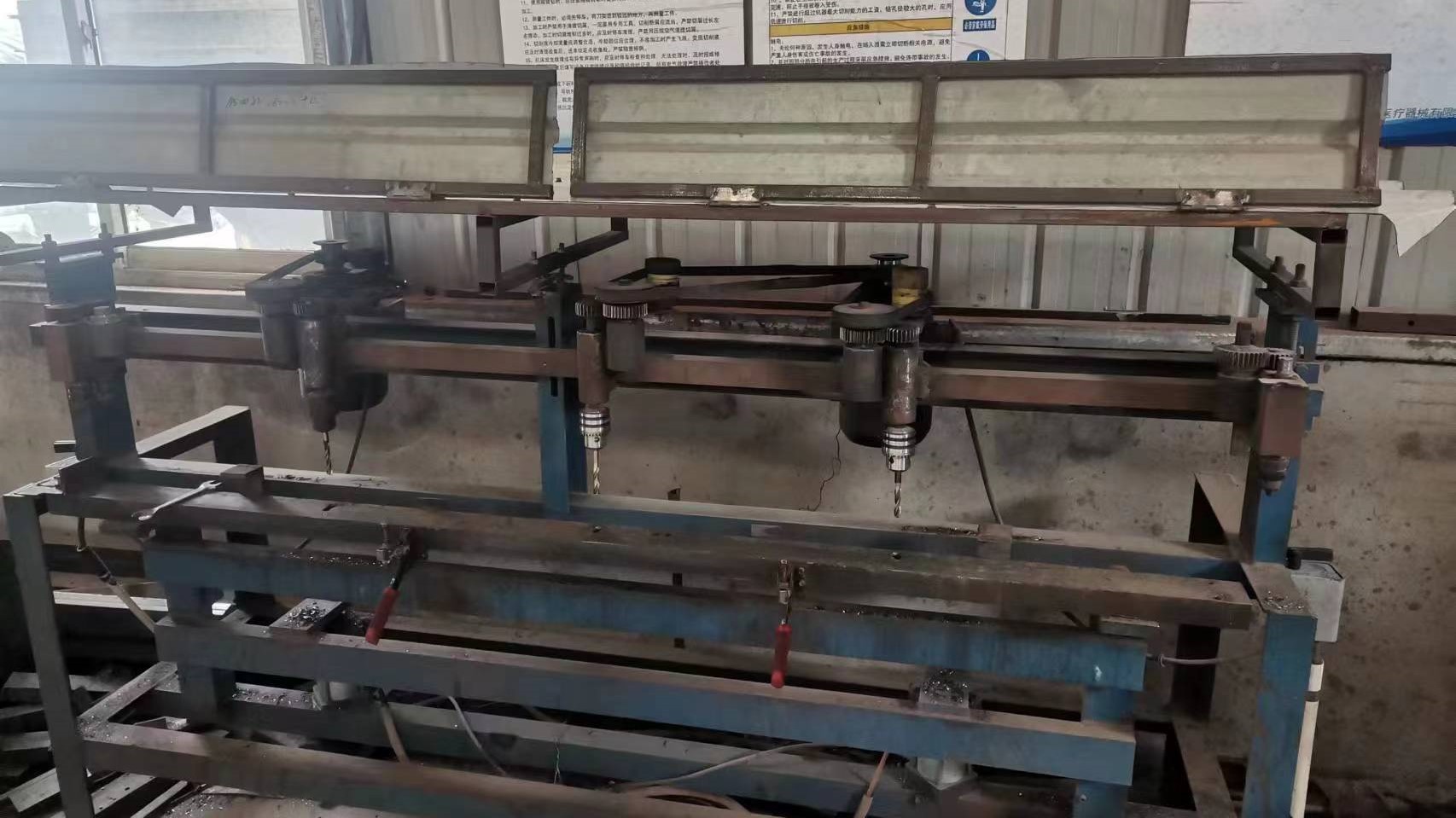
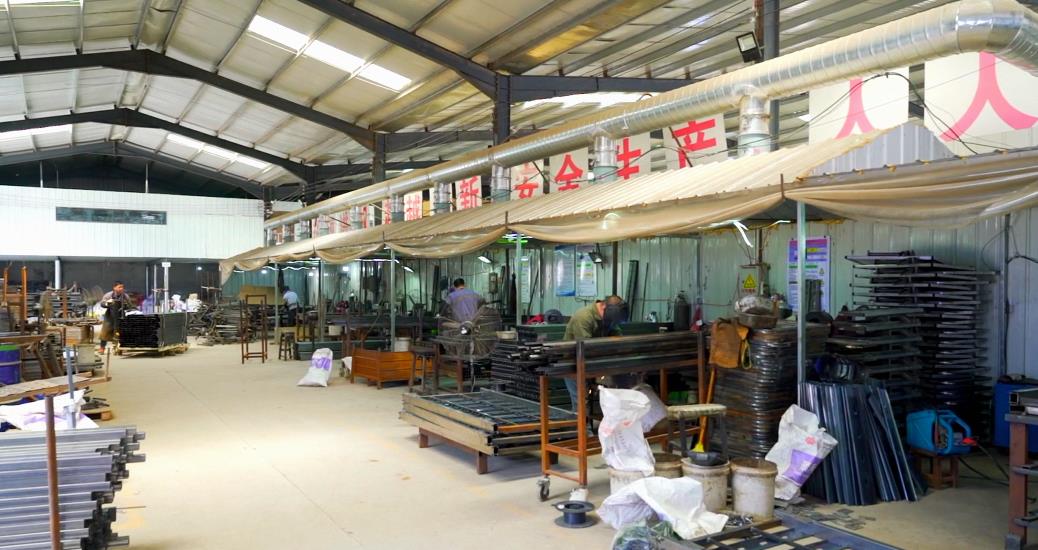
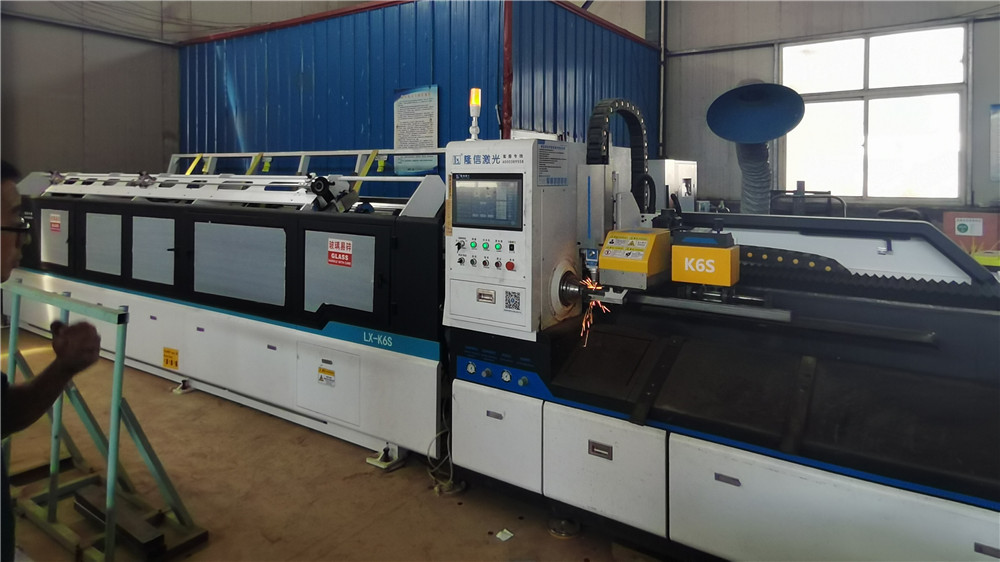
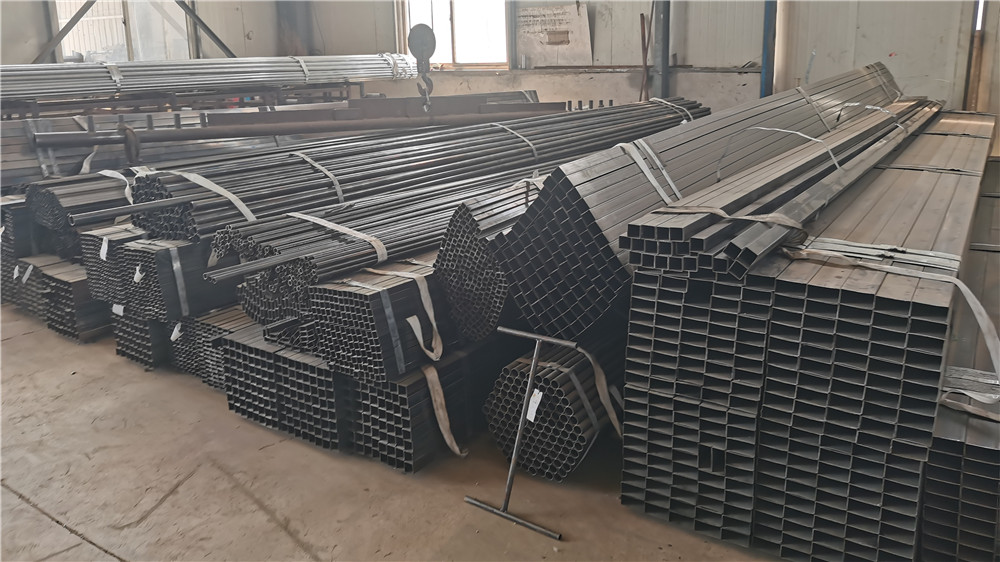
An inside look at our state-of-the-art manufacturing plant, highlighting precision machinery and strict quality checks.
Exporting complex medical equipment globally requires strict adherence to regulatory standards. In the medical mobility sector, meeting compliance is critical for successful market entry. Modern manufacturers must comply with key international quality assurance processes:
Essential for entry into the United States medical market. Power chairs must undergo dynamic stability, electromagnetic compatibility (EMC), and crash testing protocols to satisfy federal healthcare requirements.
The European Union Medical Device Regulation demands comprehensive technical files, strict biocompatibility testing of skin-contact textiles, and proactive clinical follow-up tracking.
The standard governing Medical Devices Quality Management Systems. This certification ensures every assembly phase, from raw materials to final packaging, is tracked to maintain quality consistency.
Furthermore, localizing product documentation—such as user manuals, software configurations (joystick profiles), and safety warnings—ensures compliance with regional laws, including the Americans with Disabilities Act (ADA) and equivalent international regulations. We support our global partners by providing customizable localization packages to streamline local custom clearance and registration.
Explore detailed answers to common questions asked by procurement managers and healthcare distributors regarding Rear-Wheel Drive (RWD) systems and factory standards.
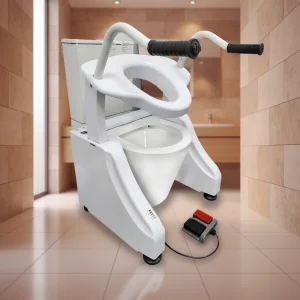
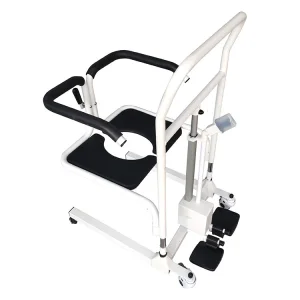
Advanced hydraulic mechanisms and portable designs specialized for hospital, home, and clinical setups.