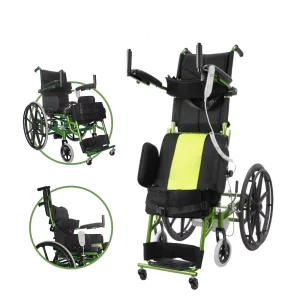
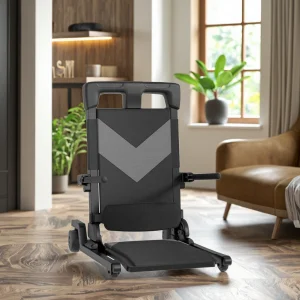
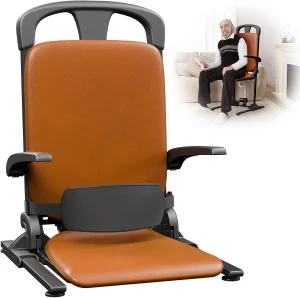
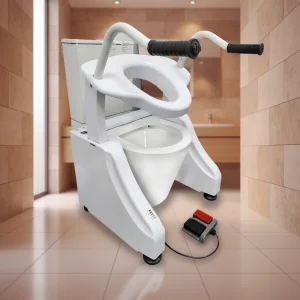
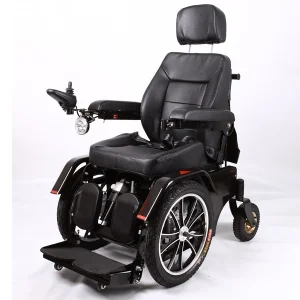
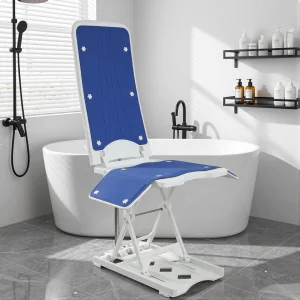
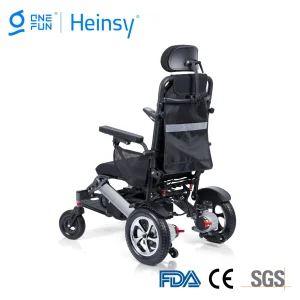
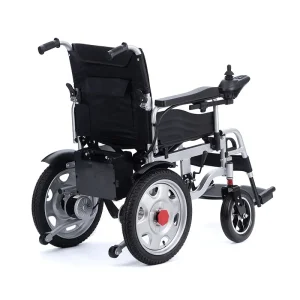
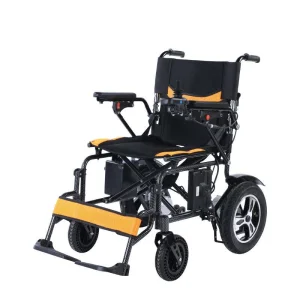
Designed for rehabilitation centers, institutional procurement, and localized private distribution networks demanding rugged mechanical lift technology.
Developing Sustainable Mobility & Rehabilitation Infrastructure in Timor-Leste
A deep dive into localized challenges, technical adaptations, and supply chain solutions for modern elevating-seat power chairs.
15+
Years of OEM/ODM Experience
50+
Global Exporting Countries
ISO 13485
Medical Quality Certification
100%
Testing & Traceability Compliance
1. The Demographics and Urban Landscape of Timor-Leste
Timor-Leste, as one of the youngest nations in the world, presents unique geographical and socioeconomic terrains. The capital city of Dili, alongside districts like Baucau, Bobonaro, and Ermera, is witnessing structural urbanization. However, local infrastructure poses critical mobility challenges. With mountainous landscapes, unpaved surfaces, and an emerging public transport system, the accessibility demands for citizens living with physical impairments or experiencing age-related immobility are substantial.
According to national health assessments and World Health Organization (WHO) reporting panels, modernizing assistive technology is vital for rural healthcare outposts (such as community-based SISCa programs) and centralized urban medical facilities. Through partnerships with the Ministry of Health (Ministério da Saúde) and international NGOs, the import and distribution of reliable motorized wheelchairs with elevating seat mechanics has become a cornerstone of localized social development. These chairs enable users to overcome high structural thresholds, participate in community livelihoods, and gain eye-level accessibility in workspace environments.
Addressing the Infrastructure Gap in Dili
The transition from manual chairs to smart elevating power models allows users in developing urban areas to transition between sand, uneven paving, and modern indoor facilities without physical strain, promoting local economic integration.
2. Technical Requirements: Engineering for Timor-Leste's Climate & Terrain
Designing and manufacturing elevating-seat electric wheelchairs for tropical maritime climates requires strict engineering modifications. Standard domestic power chairs frequently suffer from electronic oxidation and motor failure when exposed to high relative humidity (above 85%) and high ambient temperatures characteristic of the Timor Sea region.
Tropical Adaptation & Anti-Rust Design
Frame structures undergo electrophoretic deposition (ED) coating combined with marine-grade powder paint to prevent salt-air corrosion. Sealed electric motors with IPX4 water-resistance certification ensure uninterrupted service during the wet monsoon periods.
High-Torque Actuators & Off-Road Safety
Electric standing and lifting mechanisms rely on heavy-duty linear actuators (up to 6000N thrust ratings) ensuring smooth, jerk-free elevation. Combined with safety anti-tippers and solid, non-marking polyurethane puncture-proof tires, these chairs provide maximum traction on unpaved gravel paths in regional health outposts.
3. Chinese Manufacturing Excellence & Suzhou Welcare Wheelchair Co., Ltd.
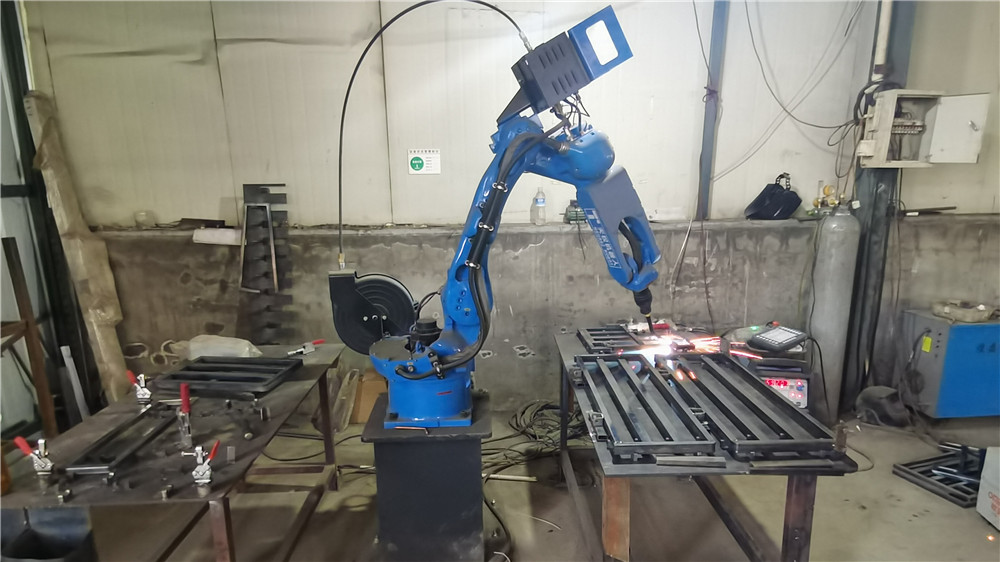
Suzhou Welcare Wheelchair Co., Ltd. serves as a leading player in China's advanced medical equipment corridor. By integrating state-of-the-art robotic automation with specialized medical rehabilitation design experience, Welcare consistently delivers wheelchairs that bridge high durability and affordability.
The manufacturing ecosystem in Suzhou leverages precision mechanical engineering, supply chains for aerospace-grade aluminum/carbon-fiber tubing, and partnerships with leading controller manufacturers (utilizing PG Drives and smart brushless joystick units). This enables Suzhou Welcare to supply customized wheelchairs optimized specifically for the unique regulatory and infrastructural landscapes of developing markets like Timor-Leste.
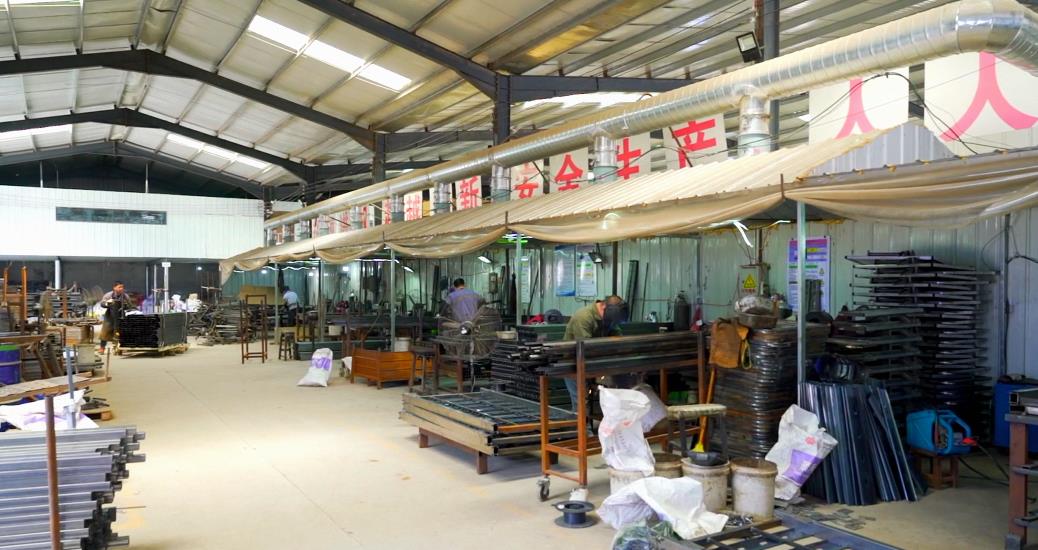
Our Integrated Production System & Advanced Machinery
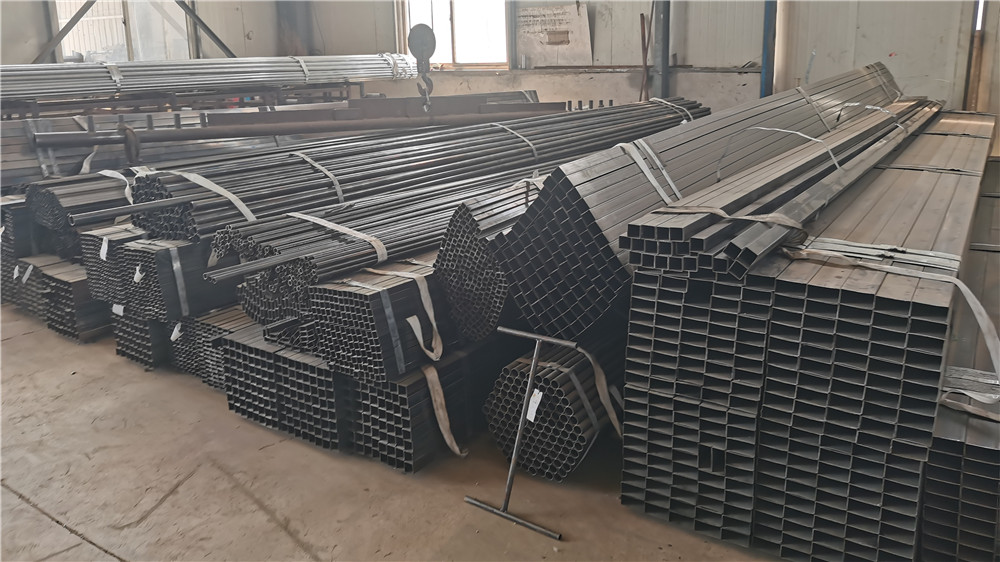
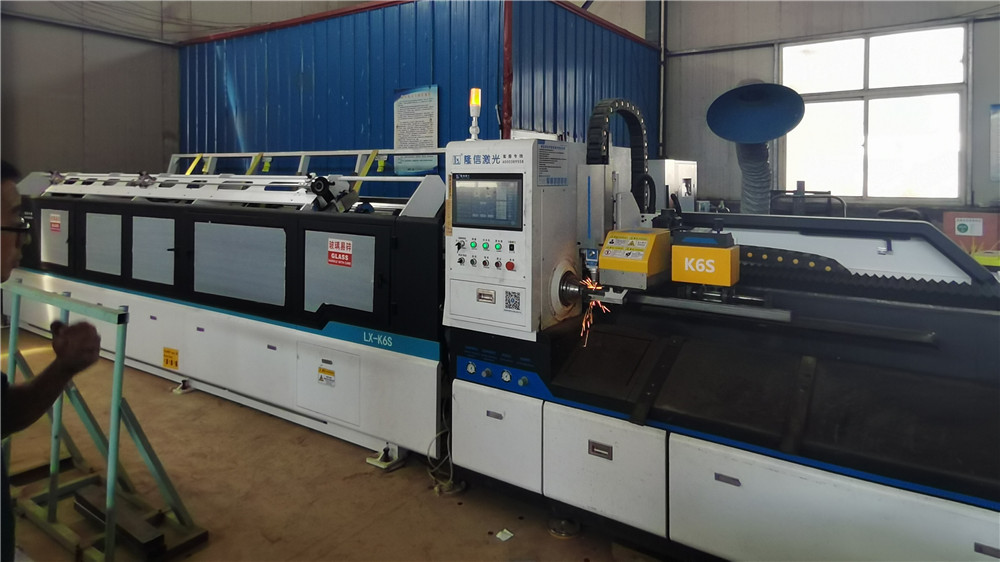
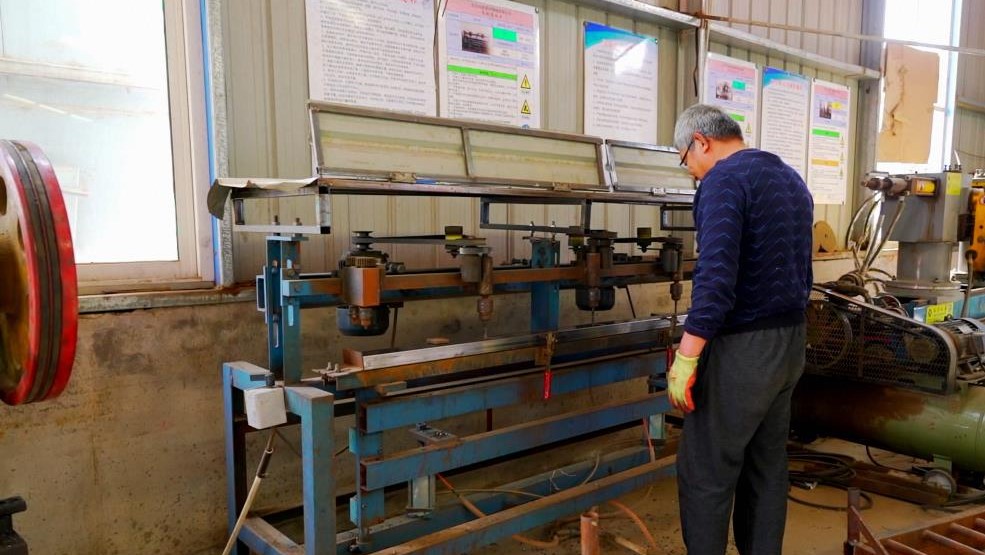
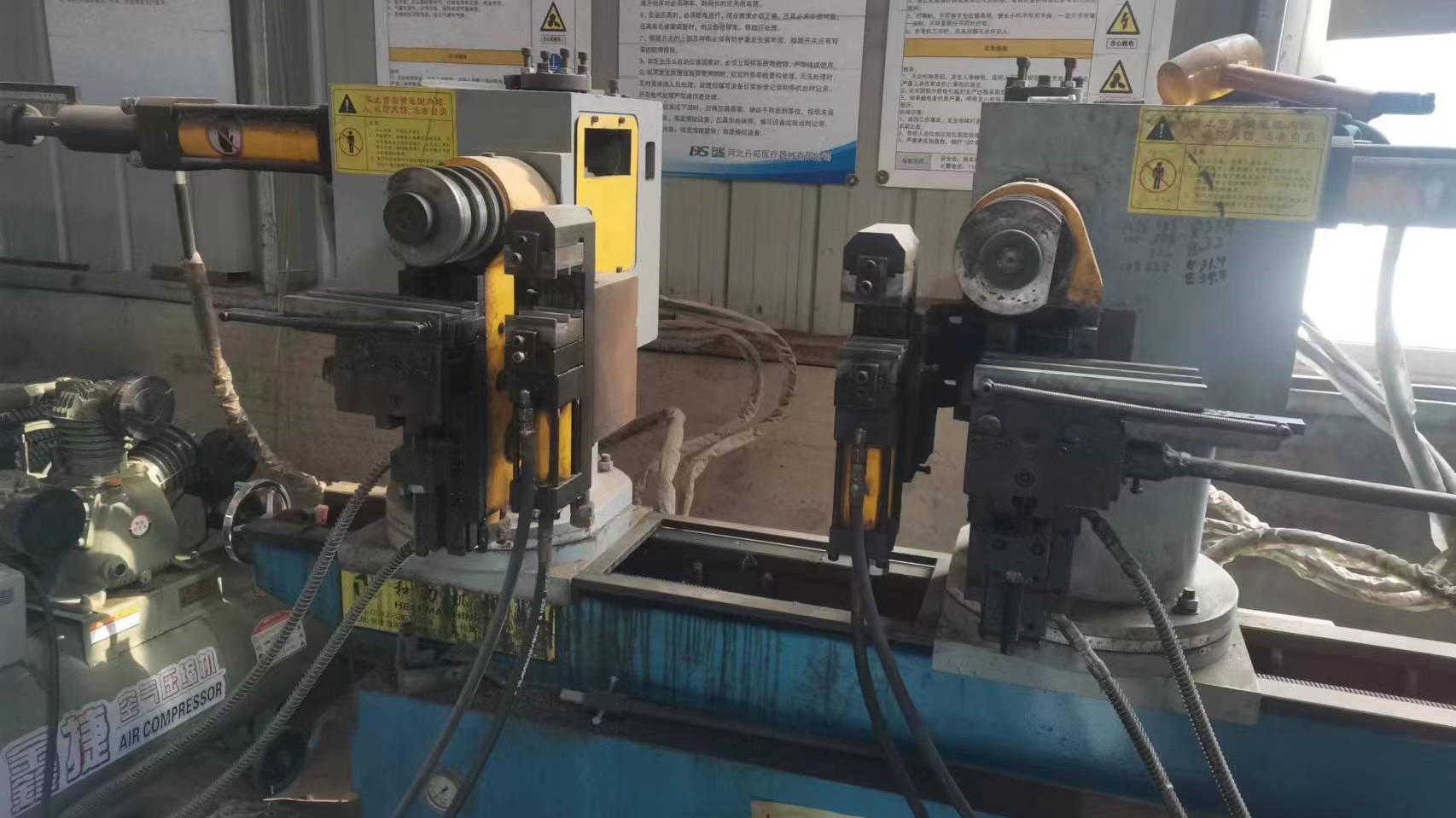
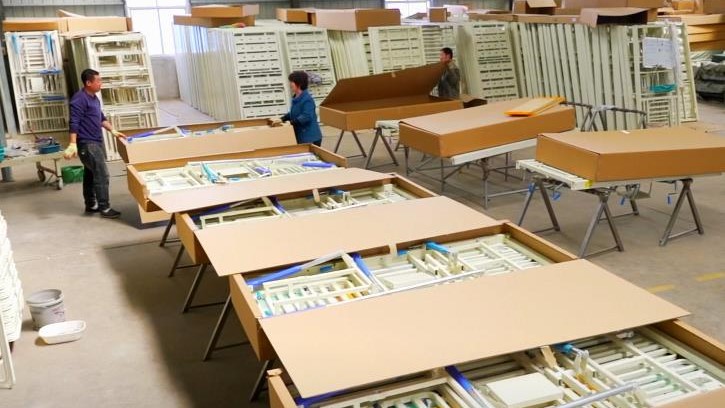
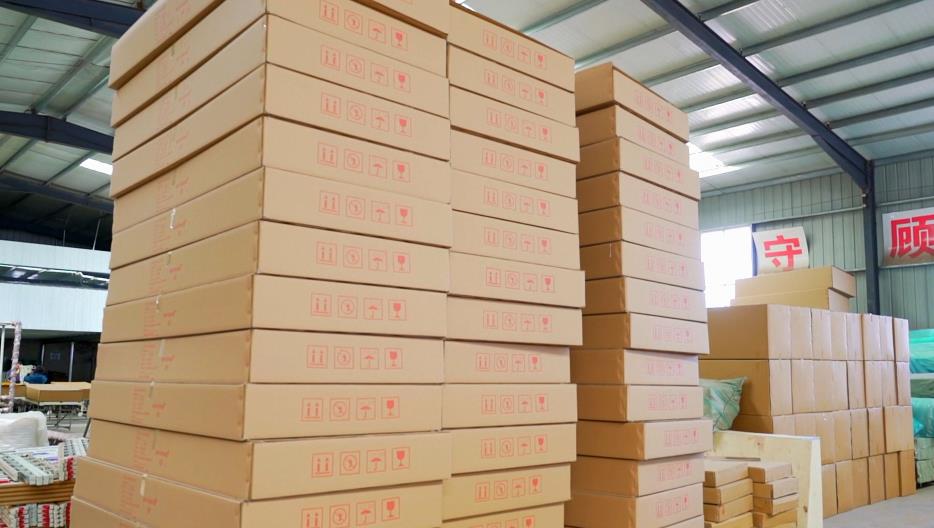
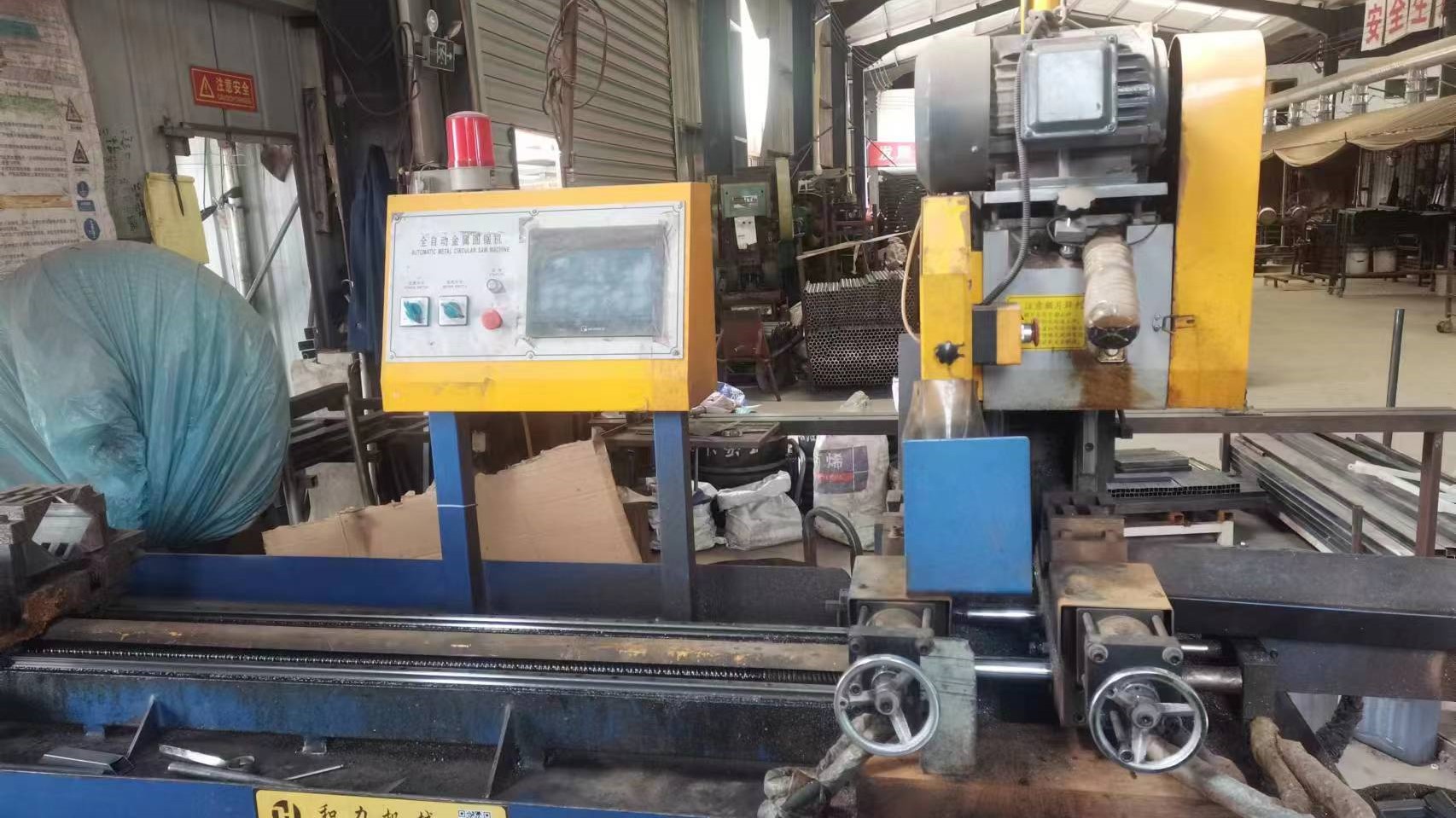
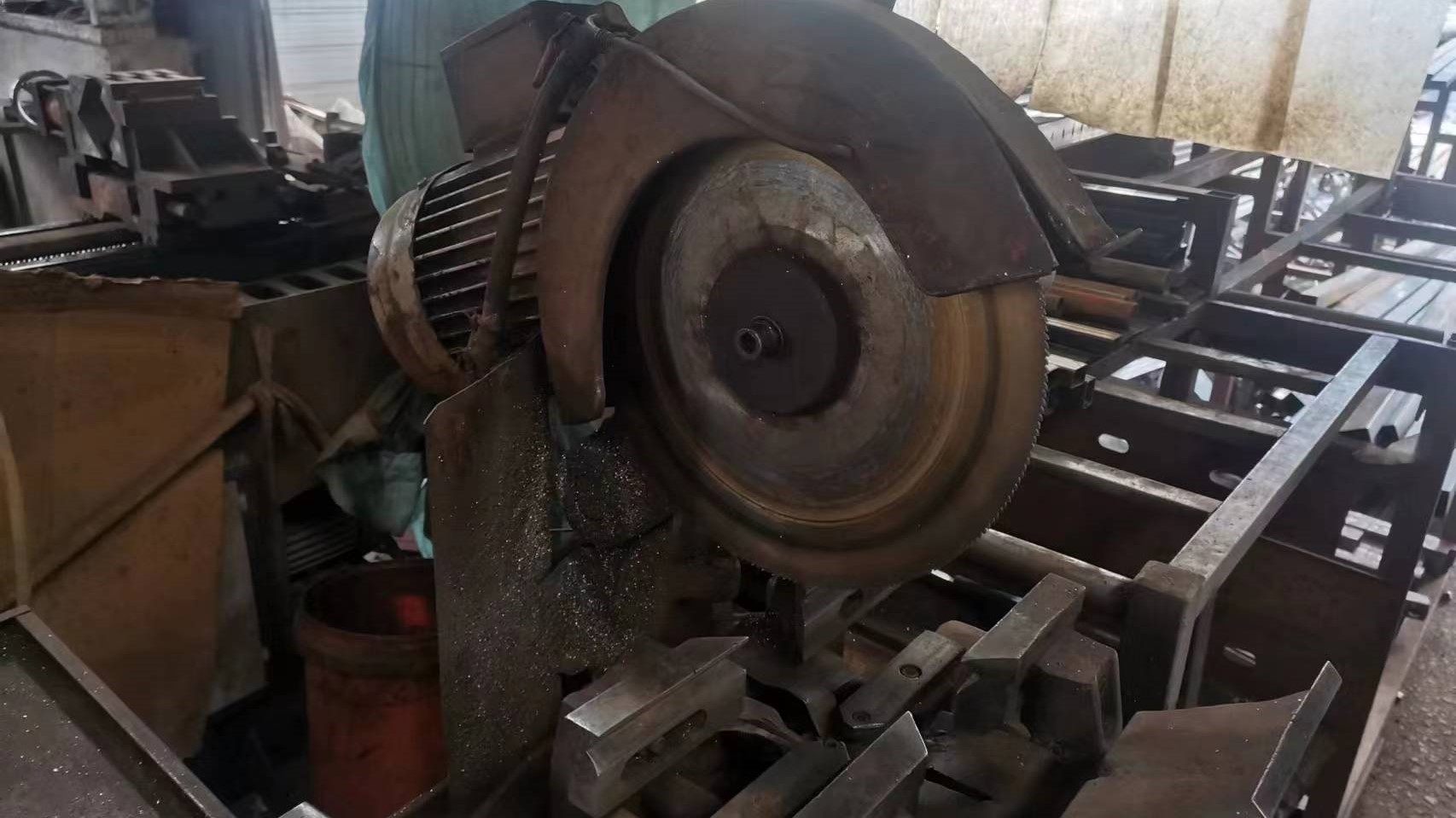
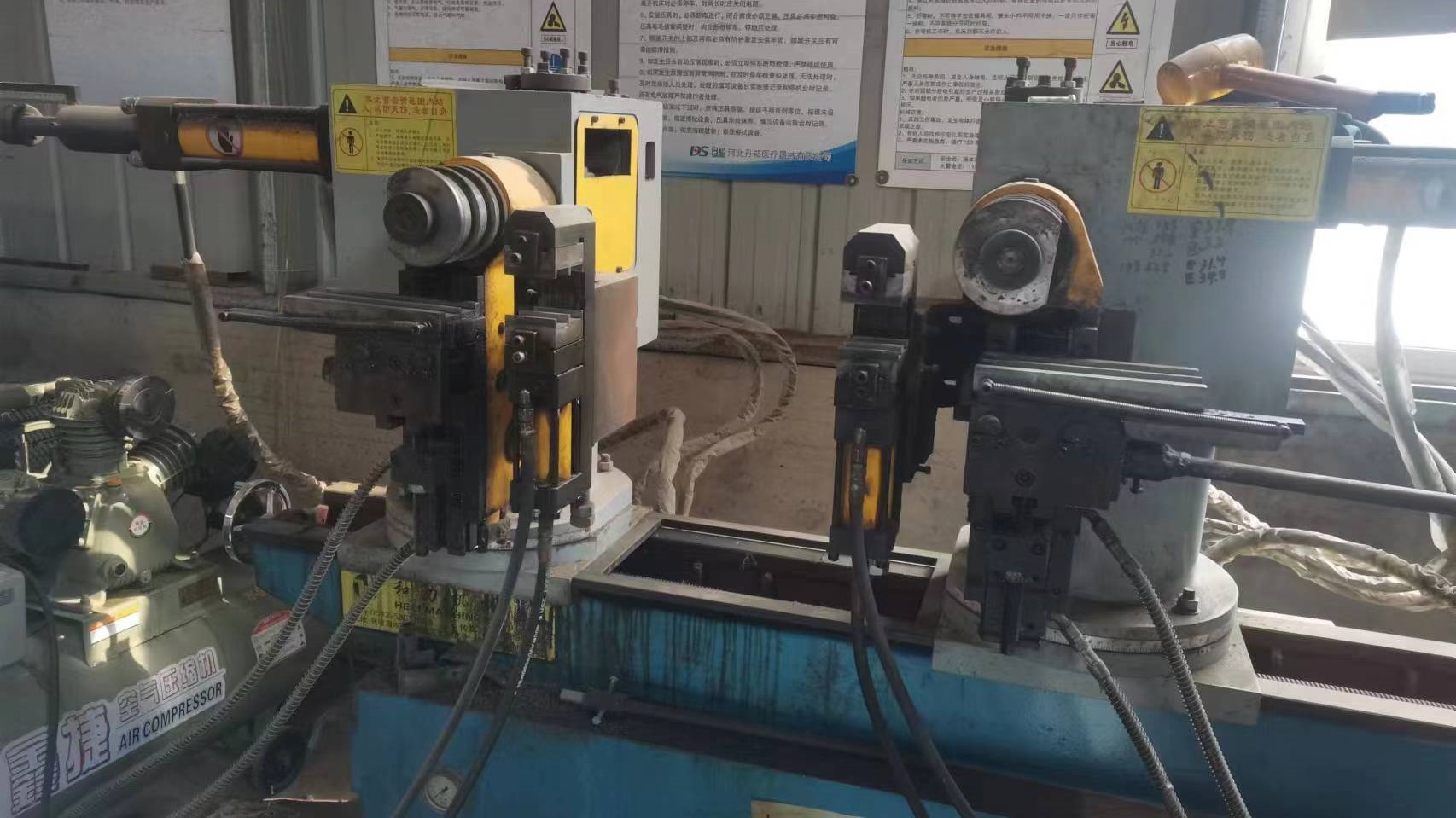
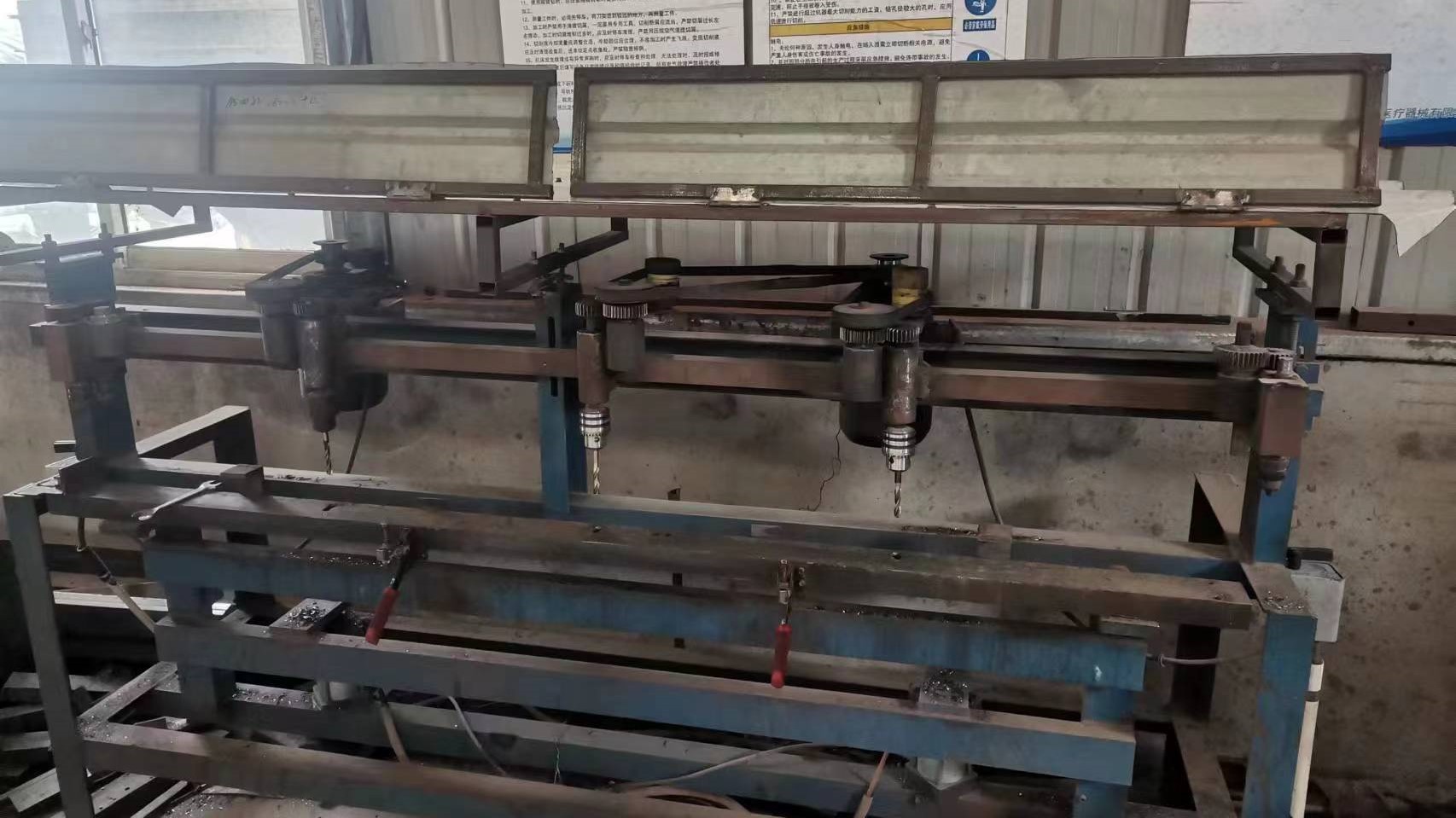
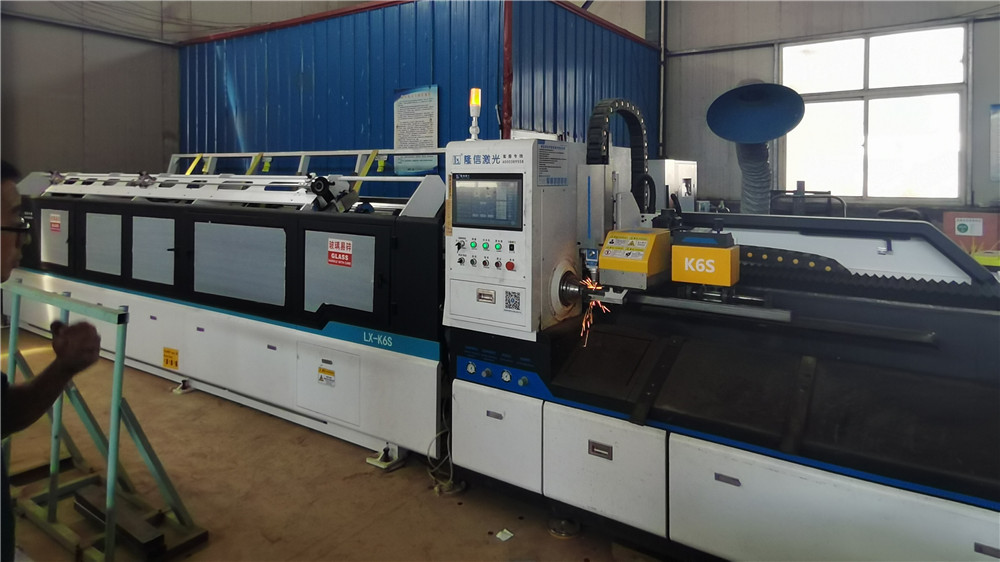
Every step of the manufacturing lifecycle is subjected to internal quality control protocols. Below are the key manufacturing stages and state-of-the-art machinery utilized at the Suzhou Welcare facility to ensure structural integrity and compliance with international healthcare regulations.
Raw Materials
Cutting
Drilling
Bending
Welding
Assembly
Finished Products
Auto Cutting Machine
Cutting Machine
Bending Machine
Drilling Machine
Welding Machine
Automatic Laser Pipe Cutting Machine
4. Global Sourcing Solutions & B2B Procurement Dynamics
For B2B buyers, importing medical and rehabilitation devices into Timor-Leste involves navigating logistics channels, custom duties, and regulatory compliance. Most imports route through the Tibar Bay Port (Porto de Tibar), located west of Dili. Choosing a manufacturer that provides comprehensive DDP/CIF options and handles shipping clearance protocols (such as providing UN38.3 lithium battery certificates and sea freight logistics clearance documentation) reduces lead times and prevents unexpected warehousing fees.
Suzhou Welcare works closely with global distributors and local non-profits in Dili to supply ready-to-deploy inventory. Every shipment includes comprehensive parts-replacement kits (joysticks, extra batteries, actuator motors, and tire treads) ensuring high operational uptime, even in remote provinces.
Collaborating on Public Health and Tender Projects in Timor-Leste?
We provide full technical design specifications, international certificates (CE, FDA compliance verification), and volume pricing models for ministerial and humanitarian tenders.
5. Key Structural Features of Elevating Seat Power Chairs
Elevating seat technology provides more than vertical height adjustment; it is a clinical and lifestyle game-changer. Key design considerations include:
Dynamic Center of Gravity Balancing: Modern electronic control systems automatically slow down moving speeds when the seat is fully elevated, ensuring maximum stability.
Pressure Relief & Skin Integrity: Multi-position power tilt and recline interfaces work alongside high-density foam cushions to optimize blood circulation for paraplegic and quadriplegic users.
Simplified Transfer Pathways: Fully adjustable height settings align with standard bed and toilet heights, significantly reducing transfer stress for both the user and the caregiver.
6. Technical FAQ: Sourcing Elevating Power Chairs
What international regulatory certifications do your wheelchairs carry?+
All our products are manufactured under strict ISO 13485 guidelines, featuring CE and FDA compliance registration. These credentials simplify customs clearance at the Port of Tibar, meeting regulatory requirements in Timor-Leste.
How are lithium-ion battery transport regulations handled for ocean freight to Dili?+
We provide complete MSDS, UN38.3 test documentation, and special shipping packaging required for safe transport of lithium batteries under international maritime codes. This ensures a smooth customs clearance process.
Can you supply OEM models tailored for rougher physical terrains?+
Yes. We offer customization options including heavy-duty off-road suspension setups, wider all-terrain tires, higher-capacity brushless motors, and reinforced anti-corrosion protective undercoatings.
What is your typical production and delivery lead time?+
Standard manufacturing lead times are 25 to 35 days, depending on custom orders. Shipping from Shanghai or Ningbo ports to Dili takes approximately 18 to 28 days, depending on route availability.
Full Mobility Catalog
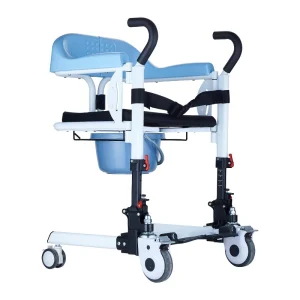
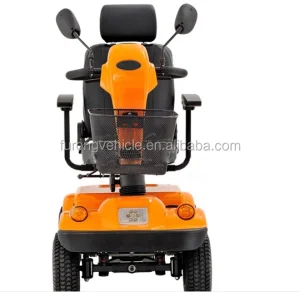
Expanded Adaptive Technology Solutions
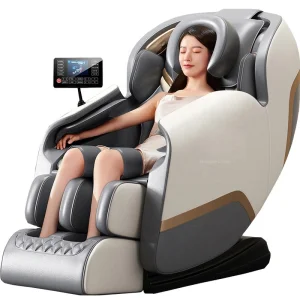
From space-saving travel models to premium zero-gravity massage therapy equipment, engineered to improve the standard of institutional and home care.
Get Your Customized Mobility Equipment Quote Today
Submit your project specification requirements and our team of senior medical machinery engineers will respond with detailed configurations and FOB/DDP shipping options within 12 hours.
 Welcare Wheelchair