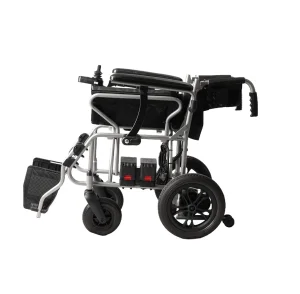
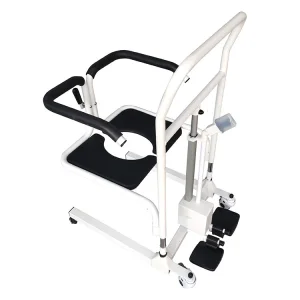
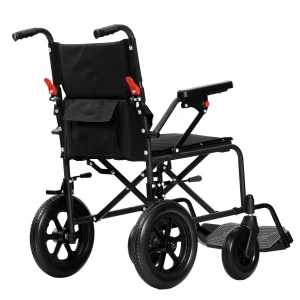
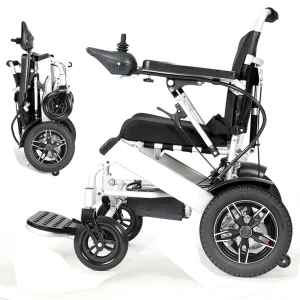
Clinical-grade rehabilitation devices and customized power chairs engineered for global distributors.
In the global market of complex rehabilitation technology (CRT), the Tilt in Space Wheelchair has emerged as an indispensable standard of care for patients with limited trunk stability, severe spasticity, or neurological disorders such as cerebral palsy, ALS, and advanced muscular dystrophy. Unlike standard reclining wheelchairs, which alter the angle between the backrest and the seat, tilt-in-space systems rotate the seat shell relative to the horizon while maintaining a constant hip-to-back angle. This mechanical design is crucial for mitigating shear force, preventing skin breakdown, and facilitating continuous pressure relief without compromising pelvic alignment.
Clinical trials indicate that maintaining a tilt angle between 30 and 45 degrees significantly enhances localized blood perfusion in the ischial tuberosities. This is the physiological premise that guides modern rehabilitation design. By shifting the user's center of gravity backward, the gravity line falls through the thorax rather than the sacrum, effectively transferring vertical loads to a larger surface area across the back, shoulders, and headrest. This pressure redistribution prevents the development of stage III and IV pressure injuries, which represent a significant risk and cost for healthcare providers globally.
Clinical Insight: Pressure mapping studies demonstrate that an angle variation of 15° to 30° shifts approximately 30% of the user's body weight away from the pelvis, while a 45° tilt reduces sacral peak pressure by up to 60%, drastically reducing the incidence of pressure sores.
Maintains consistent joint angles at the hip, knee, and ankle, reducing muscle fatigue and preventing pelvic migration forward.
Uses customized airflow-friendly matrices to minimize moisture build-up along contact surfaces, preventing skin maceration.
Preserves stability during tilt maneuvers through a sliding pivot center that stays aligned with the user's center of mass.
Empowering Mobility, Enhancing Life Through Advanced Manufacturing Technologies.
Founded with a commitment to improving mobility and enhancing quality of life, Suzhou Welcare Wheelchair Co., Ltd. is a professional manufacturer and global supplier of mobility solutions, specializing in electric wheelchairs, power mobility devices, and rehabilitation equipment.
At Welcare, we believe that mobility is the foundation of independence and dignity. Guided by our philosophy of combining advanced technology with human-centered design, we are dedicated to developing innovative, safe, and reliable products that empower individuals with mobility challenges, seniors, and rehabilitation users to live more active and fulfilling lives.
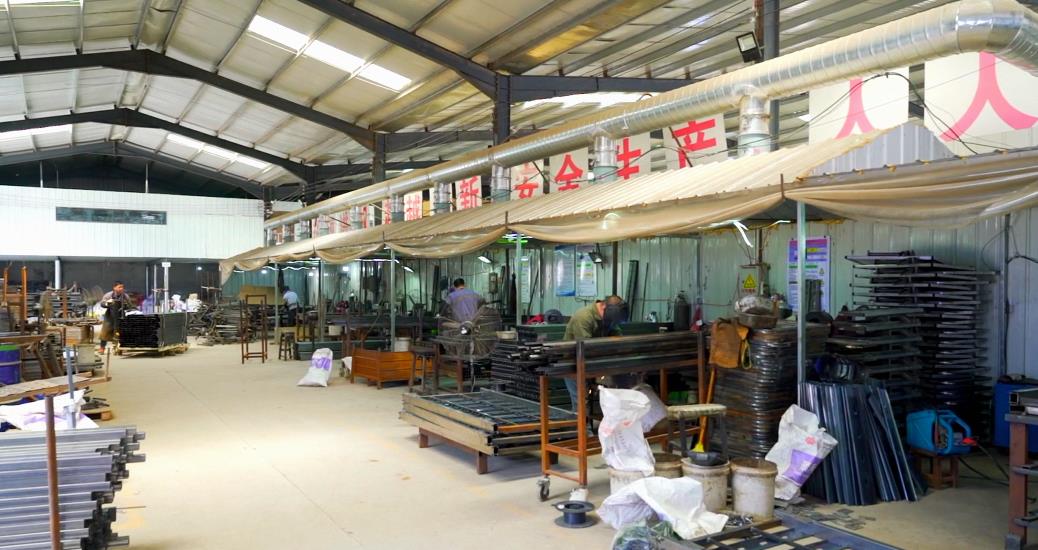
With years of experience in the mobility industry, Welcare has established a strong research and development team, modern manufacturing facilities, and a comprehensive quality management system. By continuously investing in product innovation, intelligent control technologies, ergonomic design, and lightweight materials, we strive to provide users with superior comfort, convenience, and performance.
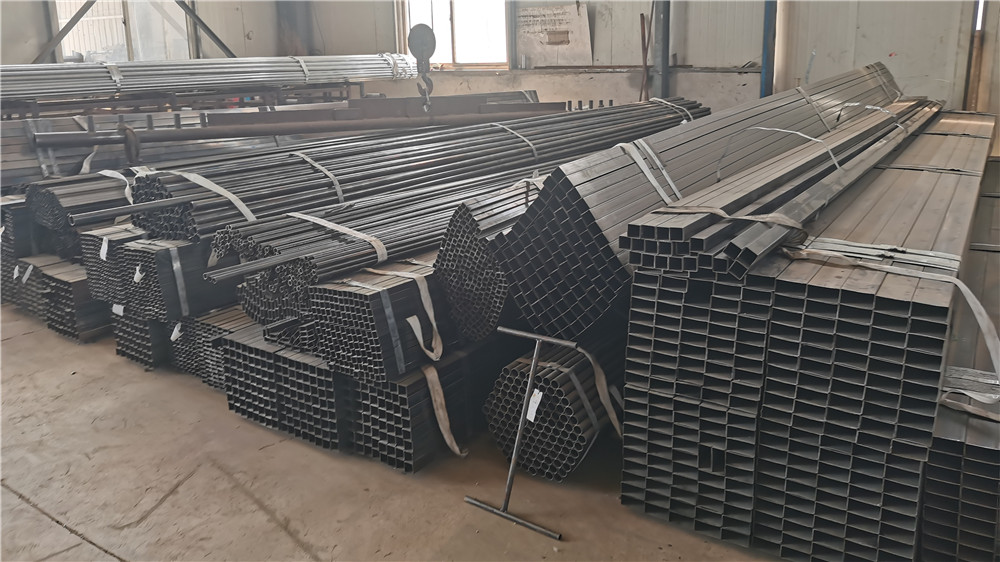
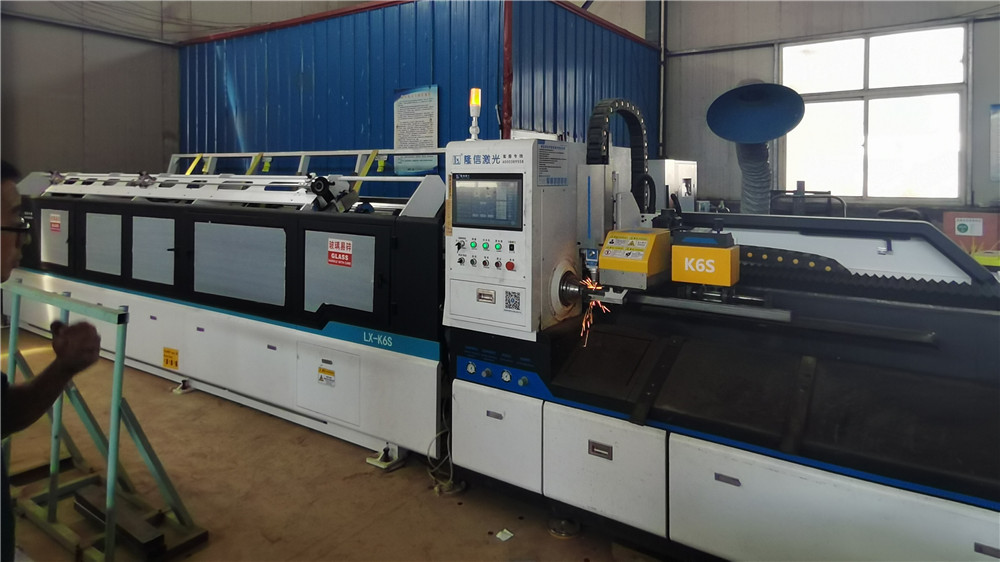
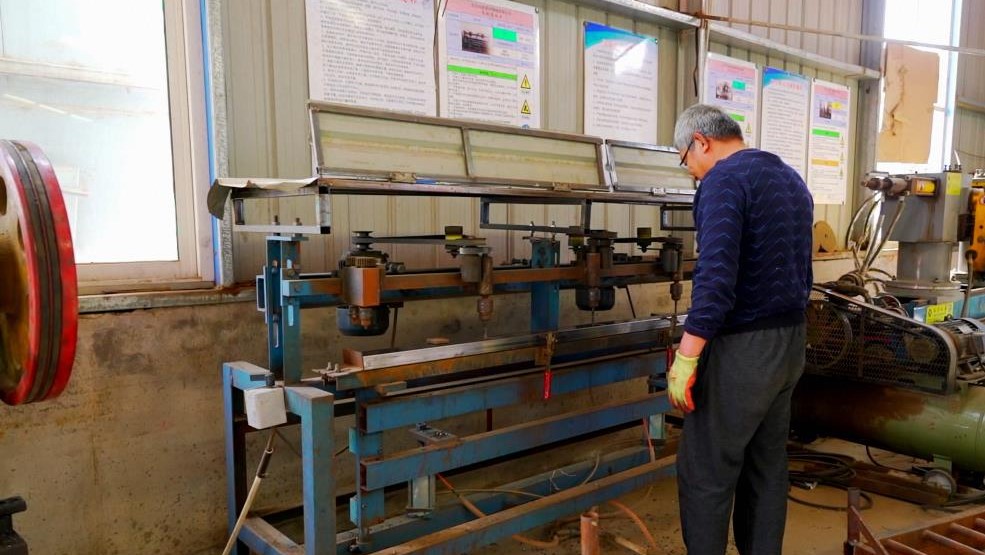
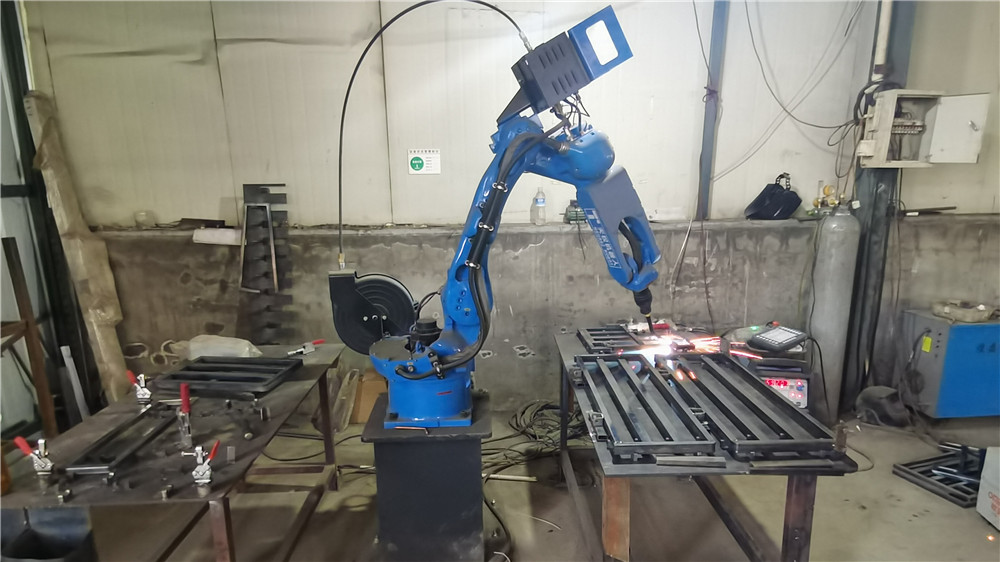
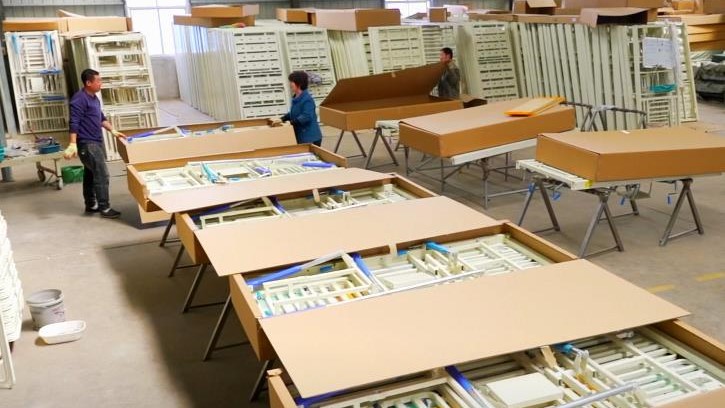
Every stage of production—from raw material storage to high-precision robotic assembly—is monitored under ISO 13485 guidelines.
Purchasing directors from medical groups, national healthcare services, and wholesale distributors face unique challenges when evaluating exporters of complex mobility solutions. The primary evaluation parameter goes beyond the Unit Cost; it encompasses regulatory clearance (CE MDR, FDA 510k, UKCA), structural longevity under heavy-use conditions, and custom structural modularity for regional patient demographics.
In North America and Europe, tenders require distinct configurations for tilt-in-space equipment. For example, EU MDR compliance requires thorough biocompatibility documentation for skin-contact materials, alongside rigorous dynamic stability testing under EN12184 protocols. Meanwhile, North American buyers prioritize compliance with ANSI/RESNA WC-19 crash test certifications for integration into municipal paratransit systems.
As a seasoned exporter, Suzhou Welcare Wheelchair Co., Ltd. structures its sourcing frameworks to ease these regulatory bottlenecks. By offering transparent technical files, high-precision machining tolerances, and customizable components, we help our partners minimize the cycle time between prototype approval and domestic distribution.
A key capability of Suzhou Welcare Wheelchair Co., Ltd. is the translation of clinical needs into structural designs through our OEM and ODM programs. Our customized design process begins with finite element analysis (FEA) to verify the frame integrity of our high-strength aluminum alloy and carbon-fiber concepts. This guarantees stability for high load capacities (up to 150kg/350lbs).
The core challenge of tilt-in-space wheelchair design is preventing longitudinal instability during back-tilt rotation. Our engineering team addresses this by using a mechanical linkage system that shifts the rotation axis to match the natural anatomical pivot of the user's pelvis. This maintains a steady wheelbase loading, ensuring that front casters do not lose traction even at maximum tilt angles.
Integrating advanced electrical systems is standard in our ODM designs. We work with leading control system suppliers like PG Drives Technology and Dynamic Controls to integrate brushless DC motor controls, programmatic acceleration curves, and customized configuration options for alternative inputs (such as chin controls, head arrays, or single-switch inputs).
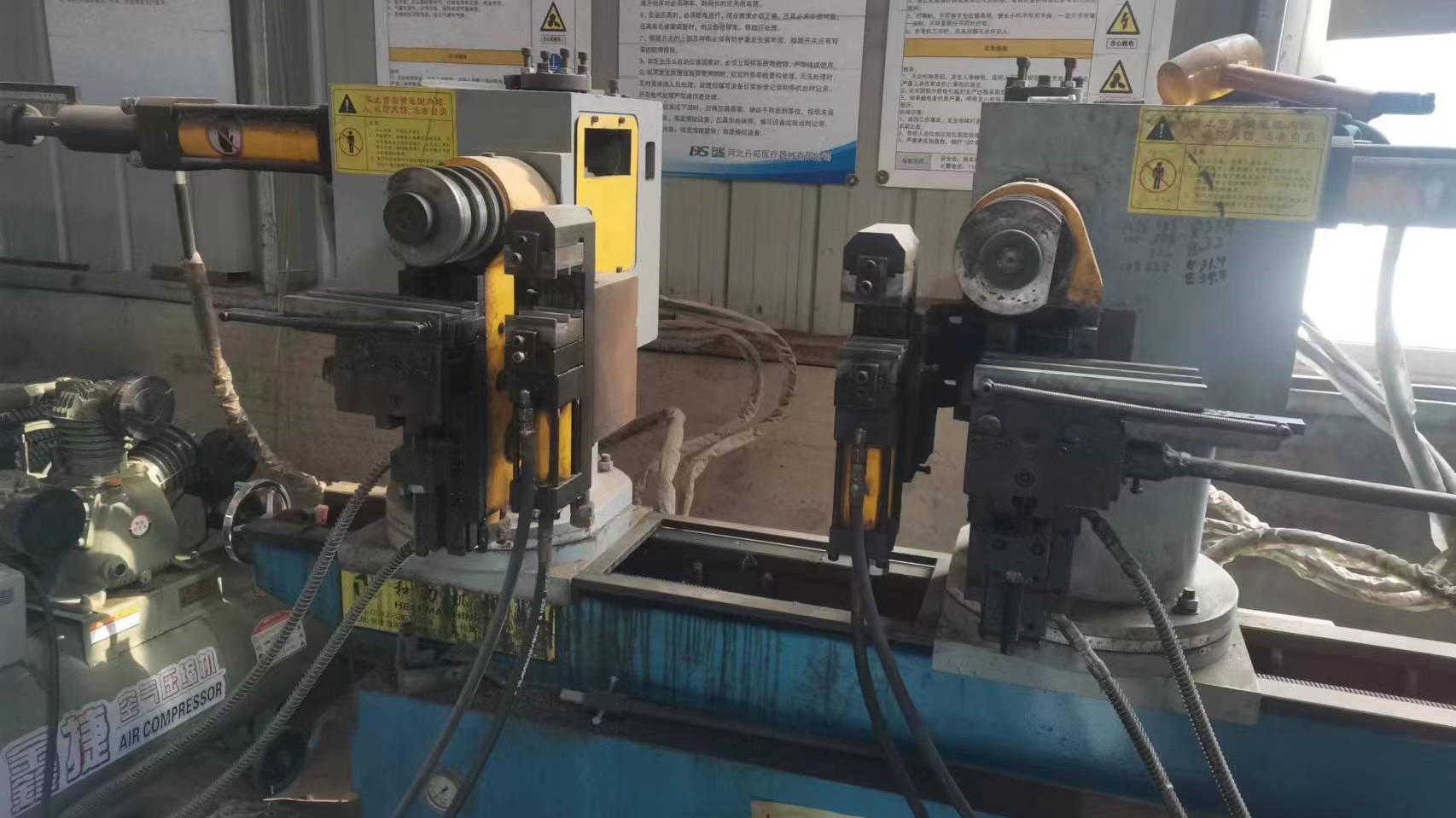
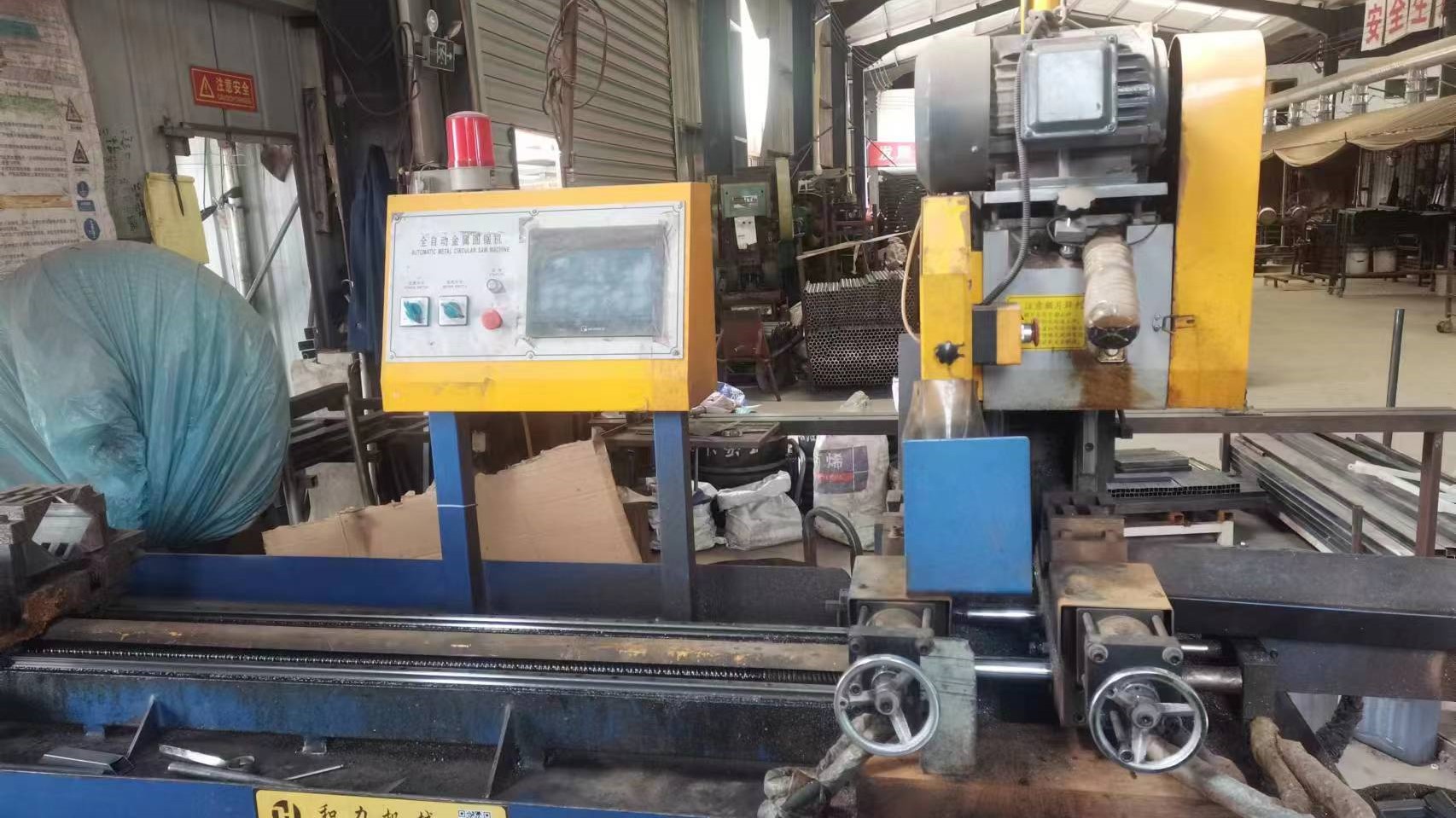
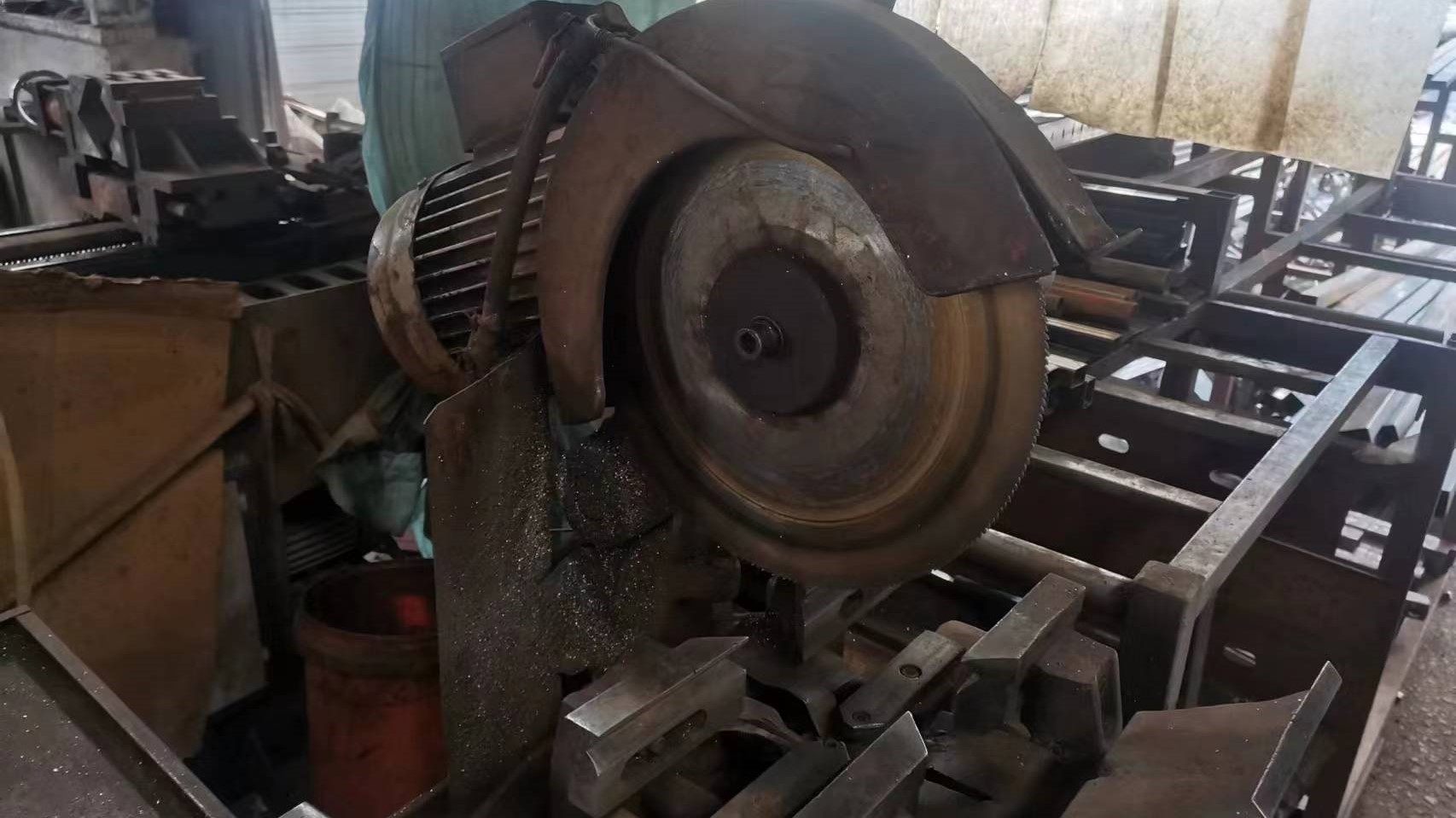
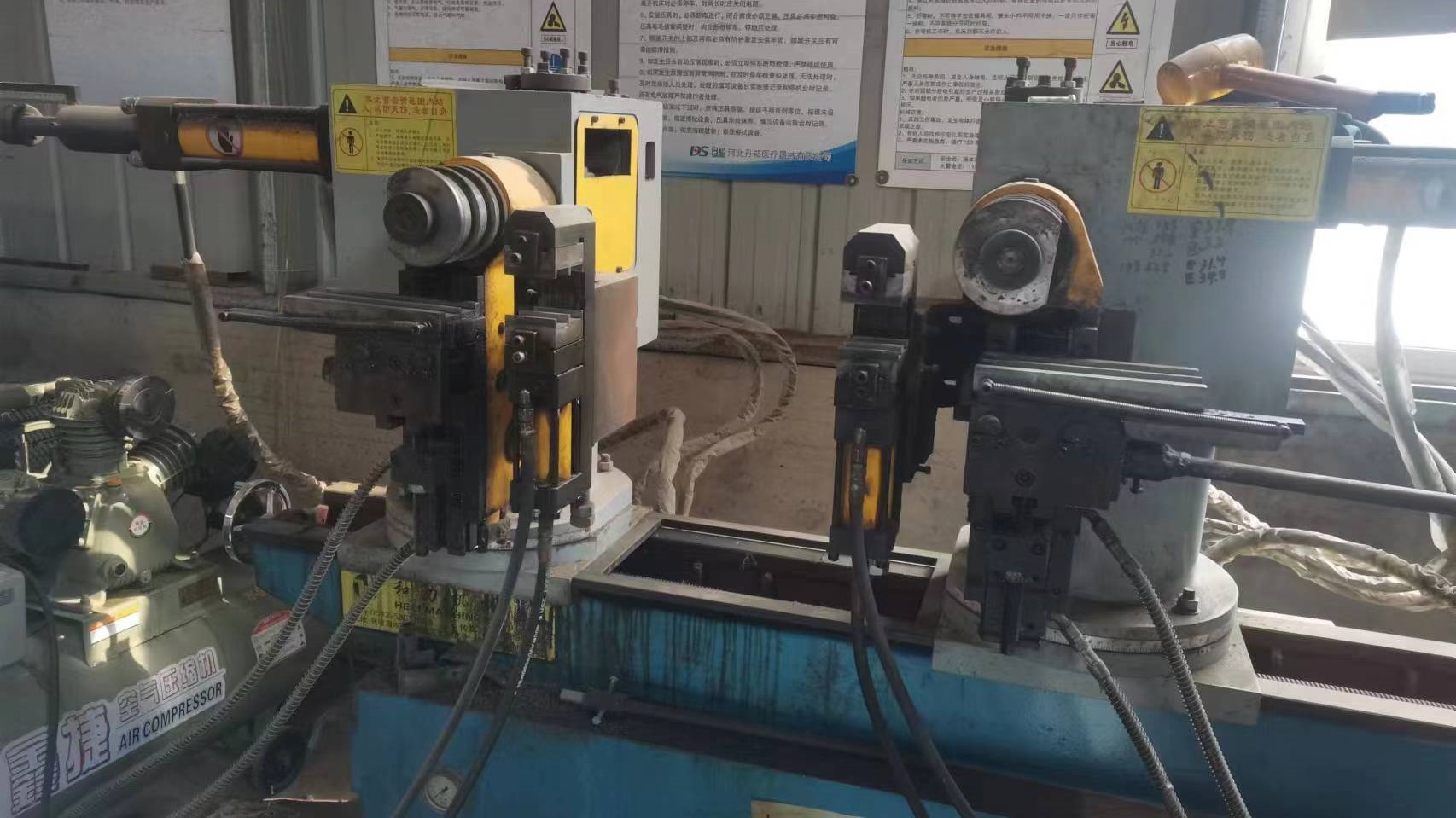
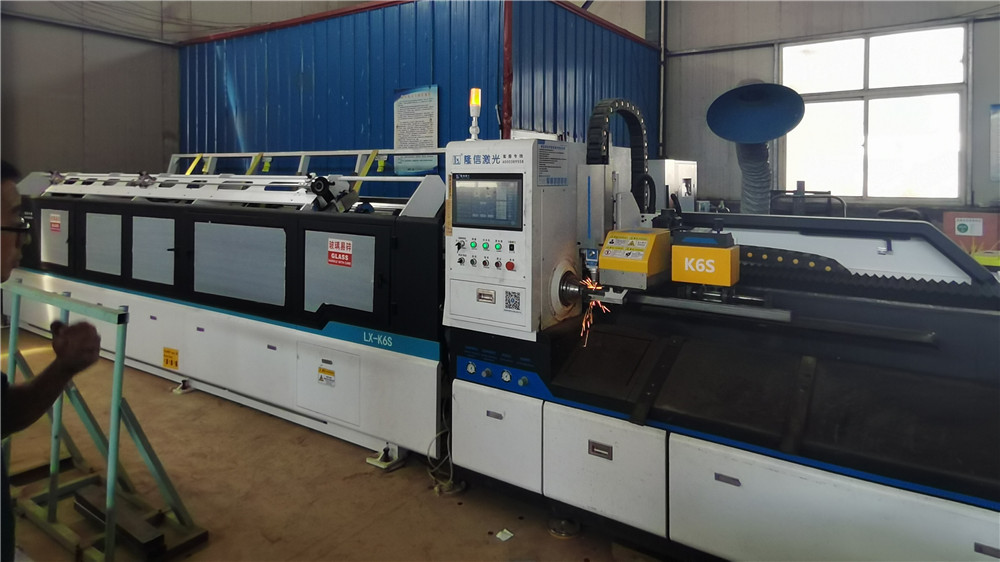
Technical Capability: Through our advanced robotic welding cells and computerized automatic pipe bending machinery (shown in the manufacturing section), Suzhou Welcare guarantees frame dimension tolerances within ±0.5mm, ensuring interchangeability of replacement components across international distribution networks.
Maintaining safety standards for worry-free customs clearance and clinical distribution.
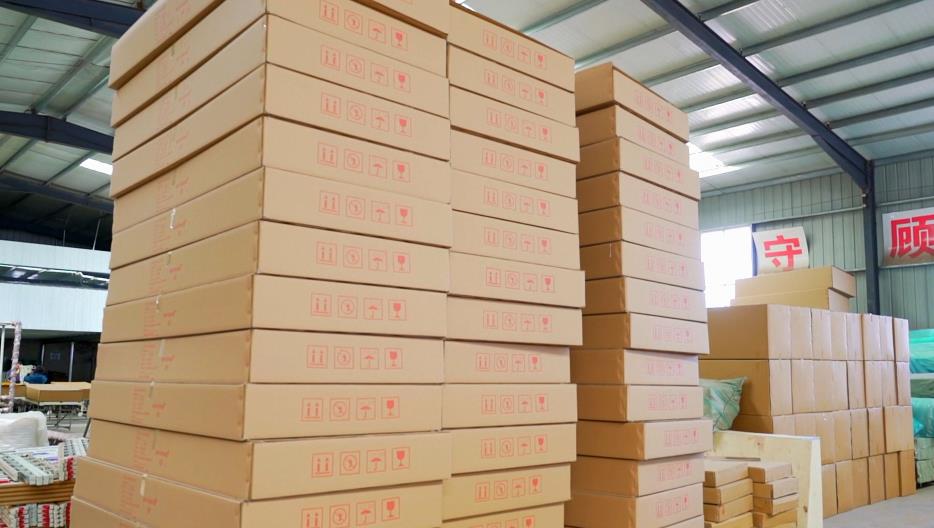
Every manufacturing step operates under ISO 13485 guidelines, ensuring consistent quality control from raw materials to final packaging.
Technical documentation, clinical evaluation files, and traceability chains are prepared to accelerate local registration processes.
Frames undergo 200,000 double-drum drop cycles and impact tests to verify long-term structural durability under max loads.
How Suzhou Welcare integrates smart technology to lead the future of rehabilitation solutions.
Integrating high-modulus carbon fiber frames to reduce overall wheelchair weight by 25% while maintaining strong structural integrity.
Integrating seat-sensor grids that transmit real-time posture data to clinical staff, helping proactively manage and prevent pressure injuries.
Developing active gyroscope-driven stabilization modules that automatically adjust the seat angle on inclines for optimal user balance.
Answers to common clinical, technical, and commercial questions for our partners.
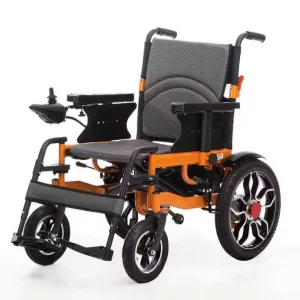
Rugged designs and specialized control configurations for clinical and outdoor use.