Choosing a car often begins with visible details: price, cabin space, fuel use, and how easily it fits your daily route. The drivetrain matters too, even if it is less obvious during a test drive. Front-wheel drive sends engine power to the front wheels, which also steer the car. Rear-wheel drive powers the rear wheels instead. These layouts can feel different when accelerating, turning, or carrying passengers and cargo.
For many drivers, front-wheel drive offers practical packaging and predictable handling in ordinary conditions. Rear-wheel drive may feel more balanced, especially in some performance-oriented vehicles or when carrying heavier loads. Neither layout guarantees safety or good handling. Tires, weather, suspension, and driver habits matter just as much. A wet intersection can reveal more than a quiet showroom. Small details count.
How to choose between front wheel and rear wheel drive depends on where and how you drive. This guide compares everyday comfort, traction, maintenance considerations, and driving feel without treating one layout as best for everyone. A front-drive car may suit a crowded commute and tight parking. A rear-drive model may appeal to drivers who value steering feel or regularly tow within the vehicle’s rated limits. Still, personal impressions can be imperfect; a short test drive may not reflect winter roads or a full load. Compare similar vehicles, check their specifications, and test them on familiar routes when possible. The right choice is the one that fits your actual needs, not just a label on the trunk.
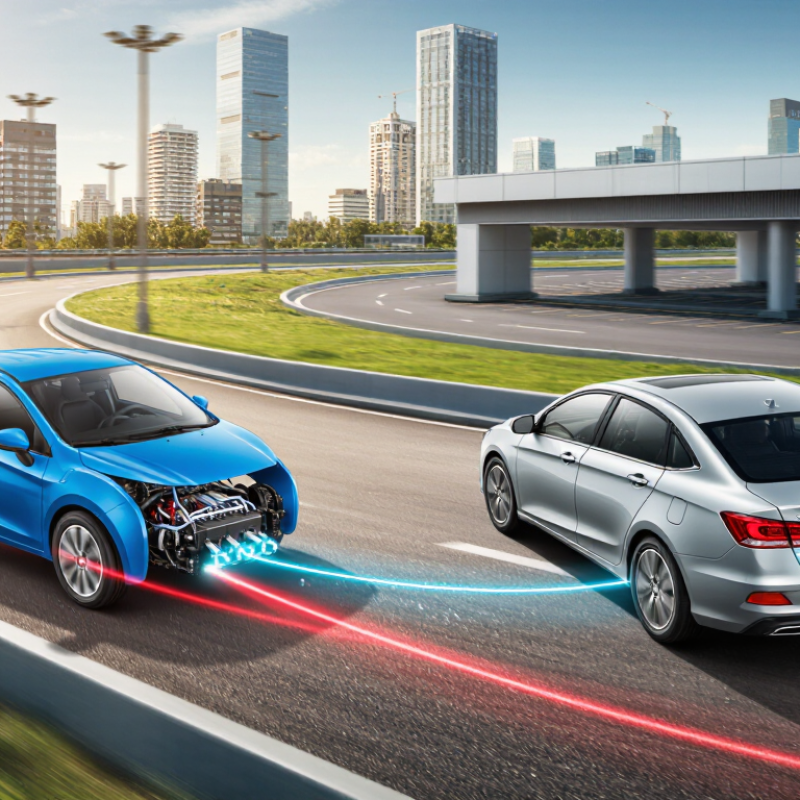
Define the Layout: FWD Powers the Front Wheels; RWD Powers the Rear Wheels
Front-wheel drive sends engine power to the front wheels, which usually handle steering as well. In a typical layout, the engine and transmission sit near the front axle. This compact arrangement can leave more cabin space and reduce mechanical complexity. On a wet road, weight over the driven front wheels may help maintain traction, though worn tires can quickly undermine that advantage. The front tires also share steering, braking, and driving work. They may wear faster under demanding use. Simple, but not always obvious.
Rear-wheel drive sends power to the rear wheels, while the front wheels generally steer. This separates steering from propulsion and can create balanced handling, especially during acceleration. Picture a loaded vehicle climbing a gentle hill: weight shifts rearward, which may help its driven wheels grip. Yet slippery surfaces can challenge some rear-drive vehicles, particularly without suitable tires or stability systems. It is tempting to treat the layout as a complete verdict; that is too simplistic. Vehicle weight, tire condition, road surface, and driving habits all matter. Check how the vehicle behaves in your usual conditions, not just which axle receives power.
Front-Wheel Drive vs. Rear-Wheel Drive
Define the layout: FWD powers the front wheels; RWD powers the rear wheels.
The chart shows the number of driven wheels on each axle in a typical two-wheel-drive layout. It does not represent all-wheel-drive vehicles.
Compare Axle Loads: FWD Cars Often Place About 60% of Weight Up Front
China Best Front vs Rear Wheel Drive How to Choose
Many front-wheel-drive (FWD) cars place about 60% of their weight over the front axle. The engine and transmission often sit near the front wheels. That load can help the driven tires grip when pulling away on a wet road. It also gives many drivers a steady, predictable feel. But extra front weight is not a guarantee of better traction. In a tight bend, the front tires may lose grip before the rear tires, causing the car to drift wide. That can feel unsettling.
Rear-wheel-drive cars send power to the rear tires, and their weight balance varies by design. Some place more load over the rear axle than typical FWD cars. This may help acceleration, but it does not automatically make a car easier to control. Tire condition, road surface, passengers, and cargo all affect grip. A 60/40 split is a useful estimate, not a universal measurement. I would treat it as a starting point, not a buying rule.
Tips: Check the vehicle’s stated axle loads, if available. Compare handling on familiar roads, and note how the car behaves with passengers or luggage. Small differences matter.
China Best Front vs Rear Wheel Drive: How to Choose — Compare Axle Loads
| Comparison Point |
Front-Wheel Drive (FWD) |
Rear-Wheel Drive (RWD) |
| Typical static weight distribution |
Many front-engine FWD cars place about 58–65% of their curb weight on the front axle. A 60% front / 40% rear split is a useful approximate example. |
Many front-engine RWD cars have a more balanced distribution, often around 50–55% front and 45–50% rear. Actual figures vary by vehicle design. |
| Which axle receives engine power? |
The front wheels steer and deliver engine power to the road. |
The rear wheels deliver engine power; the front wheels primarily steer. |
| Effect of front axle load |
The relatively heavy front end can help the driven wheels maintain grip during ordinary acceleration, especially on level roads. |
With less static weight at the rear in many layouts, rear-wheel traction can be more limited before weight transfers rearward under acceleration. |
| Acceleration and weight transfer |
Acceleration shifts some load away from the driven front axle, which can reduce front-tire grip during hard acceleration. |
Acceleration shifts load toward the driven rear axle, which can help the rear tires gain traction. |
| Packaging and cabin space |
A compact drivetrain layout can leave more room for the cabin and avoid a long driveshaft running to the rear wheels. |
A driveshaft and rear differential typically take up additional underbody space, though the effect on passenger and cargo room depends on the vehicle. |
| Handling considerations |
Many FWD cars are tuned to understeer near their handling limit; tire condition, speed, and road surface remain important factors. |
RWD can allow a different balance between steering and power delivery. Its behavior depends on suspension tuning, tires, and electronic stability systems. |
| Choosing between them |
Consider FWD if you want a common, space-efficient layout and predictable everyday driving characteristics. |
Consider RWD if you value rear-wheel power delivery or a vehicle designed for particular performance, load, or driving needs. |
Note: Axle-load percentages are approximate static curb-weight ranges, not specifications for every car. Engine placement, battery location, vehicle size, equipment, passengers, and cargo can change the actual front-to-rear distribution. Check the vehicle’s specifications for exact figures.
Apply SAE Load-Transfer Physics: ΔFz = m·a·h/L During Acceleration
China Best Front vs Rear Wheel Drive How to Choose
Apply SAE Load-Transfer Physics: ΔFz = m·a·h/L During Acceleration
During acceleration, load shifts from the front axle to the rear. The equation estimates the transferred force: vehicle mass times acceleration times center-of-gravity height, divided by wheelbase. For a 1,500 kg car accelerating at 2 m/s², with a 0.5 m center-of-gravity height and 2.7 m wheelbase, about 556 N shifts rearward. That is a useful estimate, not a full vehicle simulation. Suspension motion, road slope, and aerodynamic forces can change the real result.
This shift affects front-wheel-drive and rear-wheel-drive cars differently. A front-drive car has less normal load on its driven tires during acceleration, which can limit traction when pulling away on a steep or slippery road. A rear-drive car gains rear-axle load, which can help its driven tires put power down. But that does not make rear drive automatically better. Tire condition, power delivery, weight distribution, and everyday road conditions matter too. That detail is easy to overlook. I would compare how a car behaves during a gentle start and a firm acceleration, rather than choosing by drivetrain label alone. The equation explains one part of the decision, not the whole experience.
Compare EPA Combined MPG by Model Year and Trim, Not Drivetrain Alone
Choosing front- or rear-wheel drive by fuel economy alone can mislead. Compare EPA combined MPG for the exact model year and trim you plan to buy. A redesign can change engine tuning, transmission, weight, or standard equipment, so figures from different years may not be comparable. Check the window label or EPA listing, not a general estimate.
Keep the comparison like-for-like: match model year, engine, trim, and drivetrain where possible. EPA combined MPG blends city and highway testing into one useful figure, but it does not predict every commute. A short, stop-and-go route may produce lower results than a steady trip. Tire size and optional equipment can also affect the listed value. Small details matter.
Then consider how each layout fits your driving. Front-wheel drive may suit routine commuting, while rear-wheel drive can feel different under acceleration or with a loaded vehicle. Neither layout guarantees better economy in every pairing. Look at the actual numbers first. I would also check owner-reported results, but treat them cautiously; driving habits vary, and those reports are not controlled tests. If two EPA figures are close, comfort, traction needs, and local conditions may deserve more weight.
Conclusion
Front-wheel drive sends engine power to the front wheels, while rear-wheel drive powers the rear wheels. This difference affects how each car handles traction, weight, and acceleration. Front-wheel-drive cars often carry roughly 60% of their weight over the front axle, which can help the front tires maintain grip when pulling away on slippery roads. Rear-wheel-drive cars may feel more balanced, but their behavior depends on how weight is distributed and how the tires are loaded.
During acceleration, weight shifts toward the rear according to the relationship ΔFz = m·a·h/L, where mass, acceleration, center-of-gravity height, and wheelbase all matter. That transfer can increase rear-tire grip and support strong acceleration. For fuel economy, compare EPA combined MPG figures for the same model year and trim rather than assuming one drivetrain is always more efficient. How to choose between front wheel and rear wheel drive depends on your priorities: consider front-wheel traction for everyday conditions, or rear-wheel acceleration and driving feel when those qualities matter more.
 Welcare Wheelchair
