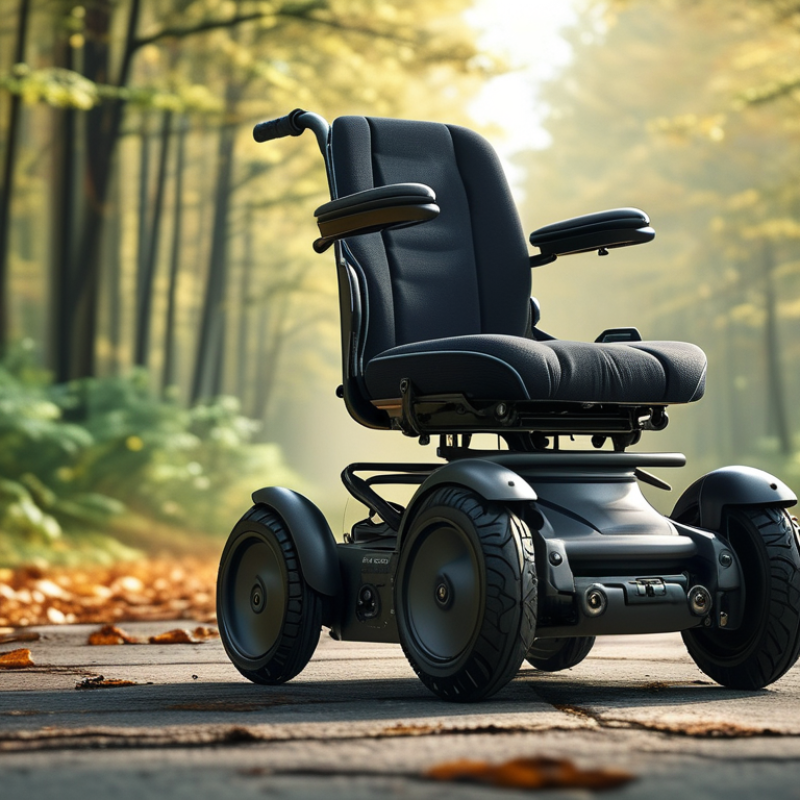
Welcare Wheelchair
Electric wheelchairs provide mobility and independence for many users. However, a common issue that often arises is the unsettling clicking noise. "Why is my electric wheelchair making a clicking noise?" is a question frequently posed by users.
Dr. Sarah Thompson, a mobility device specialist, states, "Clicking sounds can indicate mechanical issues or loose components." This highlights the importance of understanding the potential causes behind these noises. Users may experience frustration and anxiety if they don't address the issue promptly.
Regular maintenance is essential to keep a wheelchair running smoothly. Not every clicking sound signifies a major problem, but ignoring it could lead to bigger complications. It's wise to investigate and consult a professional when in doubt. Reflecting on these aspects can help users maintain both their equipment and their peace of mind.
Electric wheelchairs offer mobility and independence, but they can sometimes generate unexpected noises. A common issue is the clicking sound that many users encounter. Identifying the source of this noise is crucial for maintaining the wheelchair’s efficiency.
One potential cause of the clicking noise may be loose components. Over time, bolts and screws can become loose due to regular use. Regularly inspecting and tightening these can help prevent louder issues. Another reason might be the wear and tear of the wheels or bearings. Debris can accumulate in these areas, leading to friction and clicking sounds. Cleaning them thoroughly can resolve this.
Additionally, the electronics within the wheelchair could also be to blame. Wiring issues or loose connections may create intermittent sounds. It’s essential to periodically check the connections for any signs of wear. Ignoring these sounds may lead to bigger, more expensive problems. Regular maintenance and checks are vital to ensure a smooth, quiet ride.
Hearing a clicking noise from your electric wheelchair can be concerning. Often, this sound originates from the wheel and axle components. These parts endure frequent stress and wear, leading to potential mechanical issues.
Common causes of clicking noises relate to loose wheels or worn bearings. If wheels are not tightly secured, they may shift during use, creating a clicking sound. Inspect each wheel; check for any signs of play or looseness. Addressing these problems early can prevent further damage.
Another area to examine is the axle. Over time, axle components can wear down or accumulate dirt and debris. Regular maintenance is essential. Cleaning and lubricating the axle can often reduce noise. However, if the issue persists, it may require more thorough inspection or part replacement. Not addressing these issues can lead to more significant repairs and potential safety risks.
When your electric wheelchair starts making a clicking noise, it's often a sign of underlying issues. One common cause is a problem with the wiring. Loose or damaged connections can create electrical arcing, leading to that characteristic click. Inspect all visible wires for fraying or breaks. A professional can help identify hidden wiring issues that might not be easily noticeable.
Motor connections are another area to examine. Ensure that the connectors are secure and free of corrosion. A build-up of dust can also hinder performance. Take time to clean these areas regularly. If the noise persists after checking these connections, the problem may lie within the motor itself. A malfunctioning motor can cause unusual sounds due to internal wear or damage.
Tips: Regular maintenance of your electric wheelchair is essential. Inspect wiring and connectors frequently. Keep the wheelchair clean to avoid debris buildup. If unsure, consult a professional. Addressing issues early can prevent further damage. Don't ignore persistent noises; they often indicate a need for repair.
Electric wheelchairs can produce clicking noises for various reasons, often related to loose components or wear. Regular maintenance is essential to mitigate these issues. According to data from the National Mobility Equipment Dealers Association, approximately 20% of wheelchair users report issues with noise. In many cases, these noises indicate that parts need attention.
Checking the wheelchair’s hardware is crucial. Loose bolts or screws can create annoying sounds. The National Center for Accessible Transportation suggests tightening these parts regularly. Use appropriate tools for this task to avoid any damage. Lubricating moving parts, like axles and wheels, can also help reduce friction and noise. A well-lubricated wheelchair operates more smoothly, enhancing overall performance.
Wheelchair suspensions may wear out over time. Inspect them for cracks or breaks, which can lead to more significant issues. If the suspension seems defective, it's wise to consult a professional for further evaluation. Small actions today, like cleaning and inspecting, can save time and money later. Mindful maintenance promotes a quieter, more reliable ride.
A clicking noise from your electric wheelchair can be concerning. It may indicate several issues, such as loose parts or malfunctioning components. If the sound persists and disrupts your mobility, it's crucial to address it promptly. Riding a wheelchair that makes odd noises is not just uncomfortable; it may compromise your safety.
When should you seek professional help? If the clicking sound becomes louder or is accompanied by other problems, consider contacting a technician. Unusual noises often signify that something is wrong with the motor or drive system. Ignoring these signs could lead to more severe damage. A professional understands the intricacies of wheelchair mechanics and can offer reliable solutions.
Assess the situation before seeking help. Look for visible signs of wear. Check for loose screws on the armrests or footrests. Sometimes, a simple fix is all it takes. However, if you notice cracks in the frame or persistent noise, don't hesitate to call in the experts. Your mobility and comfort depend on a well-functioning wheelchair. Addressing issues early can prevent greater problems in the future.
| Cause | Description | When to Seek Help |
|---|---|---|
| Loose Components | Worn-out screws or bolts can lead to loose parts, causing clicking noises. | If noises persist after tightening. |
| Motor Issues | Problems with the motor can cause abnormal noises during operation. | If performance is degraded or noise increases. |
| Wheel Alignment | Misalignment can lead to clicking when turning or maneuvering. | If clicking is persistent, affecting mobility. |
| Battery Connections | Corroded or loose battery connections may cause intermittent clicks. | If electrical issues or loss of power occur. |
| Braking System | Wear on brake components can cause noise when engaging or releasing brakes. | If brakes fail to respond properly. |
: Clicking noises often come from loose components or worn parts. Regular maintenance is needed to address these issues.
Tighten bolts and screws regularly. Make sure to use the right tools to avoid damage during this process.
Yes, lubricating moving parts like axles and wheels decreases friction and helps the wheelchair operate more smoothly.
Regular inspections are vital. Look for cracks or breaks to prevent bigger issues in the future.
If clicking noises get louder or other issues arise, it's wise to contact a technician for assistance.
Assess the wear and check for loose screws. Sometimes, a quick fix can resolve the problem before calling for help.
Yes, ignoring these sounds may lead to more significant damage. Your safety and comfort depend on proper maintenance.
Absolutely. Small actions like cleaning and inspecting can prevent larger issues and costly repairs down the road.
If you've ever wondered, "Why is my electric wheelchair making a clicking noise?" there are several common causes to consider. Mechanical issues, particularly with the wheel and axle components, can lead to unsettling sounds as parts wear down or misalign. Additionally, electrical problems may arise, including faulty wiring or loose motor connections, which can contribute to the clicking noise.
To reduce these noises, regular maintenance is crucial. This includes checking for debris, ensuring proper lubrication, and tightening connections. However, if the clicking persists despite your efforts, it's important to seek professional help to diagnose and repair any underlying issues with your wheelchair. Taking these steps can enhance your wheelchair's performance and ensure a smoother ride.