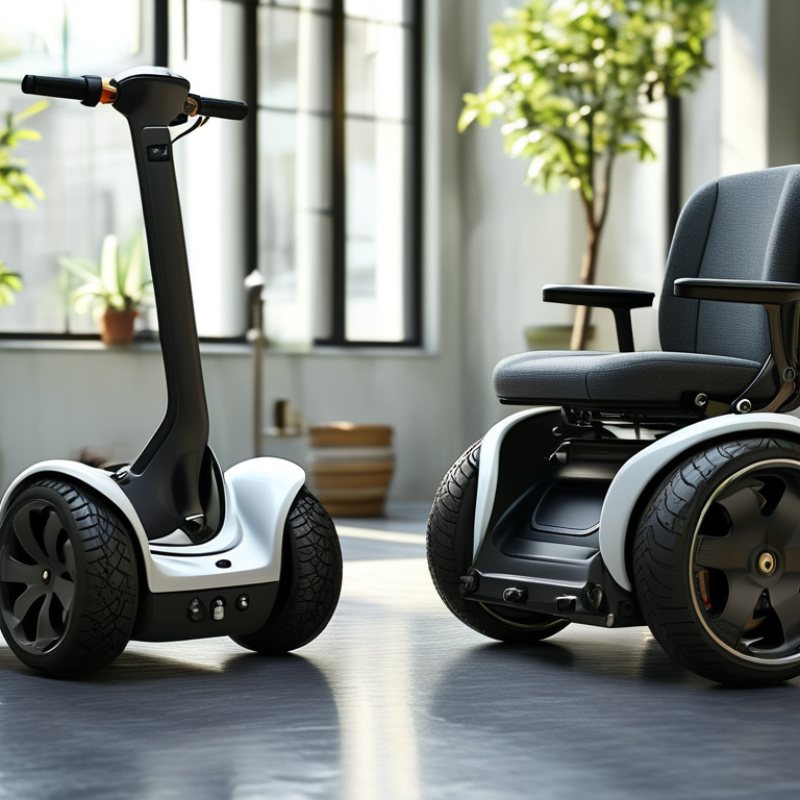
Welcare Wheelchair
When considering mobility aids, many individuals face a choice: a mobility scooter or a power wheelchair. Understanding "What is the difference between a mobility scooter and a power wheelchair" is crucial. According to Dr. Emily Johnson, an occupational therapist specializing in mobility solutions, "Choosing the right device can significantly improve one's quality of life."
Mobility scooters are often designed for outdoor use. They're typically faster and offer a more sporty feel. In contrast, power wheelchairs provide superior maneuverability indoors. They are engineered to fit through tight spaces, making them ideal for home use. However, selecting one over the other requires careful thought.
Some may overlook the importance of personal needs. The right option may depend on lifestyle, living arrangements, and health conditions. Dr. Johnson emphasizes the need for customization. "Not every solution fits every person," she says. Reflecting on the individual requirements can make a significant difference. Making an informed choice is essential for independence and mobility.
When considering mobility options for 2026, understanding the differences between mobility scooters and power wheelchairs is crucial. Mobility scooters typically serve individuals who require assistance but still want a degree of independence. According to the National Mobility Equipment Dealers Association, scooters often have a lower upfront cost and are easier to transport. However, they usually provide less stability on uneven terrain.
Power wheelchairs, on the other hand, offer enhanced stability and control. They suit those with significant mobility impairments better. Reports suggest that power wheelchairs often come with more advanced features, like adjustable seating and control options, which might contribute to a higher overall cost. These benefits make them appealing for longer-term use. Users should reflect on their mobility needs before making a decision.
Tips: Always test both options. A brief trial can reveal comfort levels and usability. Also, consider your living environment. Will you navigate indoors or outdoors more? Each option has unique traits. Recognizing specific needs is essential for making the right choice. Don’t rush; it's a significant investment that impacts independence.
Choosing between a mobility scooter and a power wheelchair involves several key factors. Each option has unique features that cater to different user needs. For instance, a 2022 industry report noted that about 45% of users prefer scooters for outdoor activities due to their speed and portability. Meanwhile, power wheelchairs are favored for indoor use, with 60% of users reporting better maneuverability in tight spaces.
Comfort is crucial in this decision. Many power wheelchairs come with advanced seating systems, offering better support for long-term use. Studies show that sitting for prolonged periods can lead to health issues. Additionally, consideration of weight capacity is important. Mobility scooters typically have higher weight limits, which can impact suitability for larger users.
Safety features must also be evaluated. Power wheelchairs often provide superior stability and ease of control on inclines. Notably, a survey found that 35% of power wheelchair users felt more secure navigating steep pathways compared to scooter users. Reflecting on these factors, it's clear that personal needs and lifestyle greatly influence the choice between a scooter and a wheelchair.
Mobility scooters offer numerous benefits, particularly for individuals with limited mobility. According to a report by the National Institute of Health, about 15% of adults over 65 face mobility challenges. For these individuals, mobility scooters provide an essential degree of independence. They allow users to navigate outdoors or indoors with ease, without relying heavily on caregivers.
Using a mobility scooter can enhance the quality of life. It facilitates social interactions and provides the freedom to engage in activities like shopping or visiting friends. A study from the Journal of Rehabilitation Research indicates that individuals using mobility aids report higher levels of satisfaction. Users describe feeling more confident and less isolated. Yet, the choice of a scooter shouldn't be taken lightly. Picking the right model can be overwhelming.
Some models can be too heavy or difficult to transport. A survey indicated that 40% of scooter users express dissatisfaction with portability options. Additionally, battery issues may arise, leading to unexpected downtime. It's essential for users to consider their specific needs and limitations before making a decision. The right mobility scooter can indeed change lives, but not every model may suit every individual.
When considering mobility options, power wheelchairs stand out. They provide enhanced maneuverability, especially in tight spaces. Users often appreciate the comfort they offer, making long rides less tiring. The advanced controls can be intuitive, catering to various abilities. This adaptability is crucial for diverse user needs. One significant advantage of a power wheelchair is its terrain adaptability. Many models navigate various surfaces seamlessly. This feature is ideal for those living in areas with uneven or rough terrain. You can enjoy outdoor adventures without worrying about getting stuck or facing discomfort. Tips: Always test a model before purchasing. Ensure it meets your unique mobility needs. Consult with a healthcare professional to explore the best option for you. Understanding the advantages will guide you in making a confident choice. Careful consideration can prevent regrets later.
Choosing between a mobility scooter and a power wheelchair involves understanding individual needs. Mobility scooters are often favored for their outdoor capabilities. They are generally lighter and can travel longer distances. However, they may lack some indoor maneuverability. In contrast, power wheelchairs offer better stability on uneven surfaces. They may fit into tighter spaces, making them ideal for indoor use.
User experience plays a crucial role in this decision. Think about daily activities and lifestyle. Do you frequently navigate through crowded places or shops? If so, a power wheelchair might provide more comfort. Consider the terrain in your area. Scooters excel on sidewalks, while wheelchairs may be easier for ramps and uneven surfaces. Yet, both options come with their challenges.
Reflecting on personal requirements ensures a wise choice. Mobility is vital, but comfort matters, too. Consider storage options if space is limited. Evaluate battery life and ease of charging. Ultimately, what works for one person may not be suitable for another. Balancing convenience and functionality requires thoughtful reflection.
| Feature | Mobility Scooters | Power Wheelchairs |
|---|---|---|
| Weight Capacity | Up to 300 lbs | Up to 600 lbs |
| Turning Radius | 30 inches | 22 inches |
| Range on Full Charge | 15-25 miles | 10-20 miles |
| Top Speed | 4-8 mph | 5 mph |
| Ease of Transport | Portable, Disassemble | Less Portable, Heavier |
| Ideal Use | Outdoors, Shopping | Indoors, Daily Activities |
| Comfort | Seating options vary | More adjustable options |
| Price Range | $1,500 - $3,000 | $2,000 - $5,000 |
: Mobility scooters offer assistance while promoting independence for individuals with mobility challenges.
Mobility scooters typically have a lower upfront cost compared to power wheelchairs, making them more accessible.
Scooters provide less stability on uneven terrain, which can be problematic in certain environments.
Power wheelchairs are better suited for individuals with significant mobility impairments needing enhanced stability and control.
Power wheelchairs often have advanced features like adjustable seating and various control options for user comfort.
Yes, a brief trial of both options can reveal comfort levels and usability tailored to individual needs.
Scooters excel on sidewalks, while power wheelchairs are better for ramps and uneven surfaces.
Daily activities, crowded areas, and indoor versus outdoor navigation significantly impact the decision.
Comfort matters greatly; what works for one person may not be suitable for another.
Assessing storage options, battery life, and charging ease is essential for making the right choice.
When considering mobility solutions, a common question arises: "What is the difference between a mobility scooter and a power wheelchair?" Both options cater to individuals with mobility challenges, yet they serve different purposes and user needs. Mobility scooters are typically more suitable for those who seek to cover larger distances outdoors and prefer a more active lifestyle, as they offer portability and ease of use. In contrast, power wheelchairs provide enhanced support and maneuverability for users who require more assistance, making them ideal for indoor use or individuals with greater mobility limitations.
When choosing between a mobility scooter and a power wheelchair, several factors should be weighed, including the user’s lifestyle, environment, and specific mobility needs. Mobility scooters offer the benefit of a more open, recreational experience, while power wheelchairs deliver the advantage of tight-turn performance and comfort. Ultimately, the decision rests on personal preferences and daily requirements, ensuring that individuals select the mobility aid that aligns best with their routines and activities.