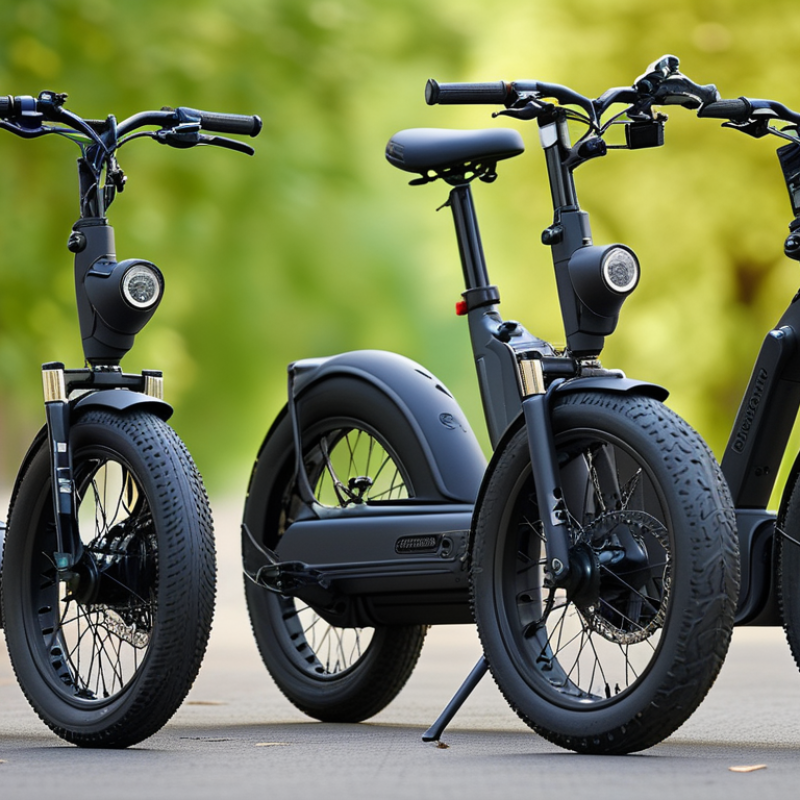
Welcare Wheelchair
Adjusting the speed on a power wheelchair is crucial for safety and comfort. Expert John Smith, a mobility specialist, emphasizes, "Speed adjustments can enhance user experience and control." Learning how to adjust the speed on a power wheelchair allows users to navigate various environments effectively.
Understanding the controls of your wheelchair can seem daunting. Many users overlook this critical feature. A misjudged speed can lead to accidents or prevent users from accessing certain areas. Each power wheelchair model is different, so familiarity with your specific device is essential.
By taking time to practice speed adjustments, users gain confidence. Engaging with the wheelchair’s settings can feel intimidating, but mastering this skill opens doors to greater independence. Remember, the goal is to enhance mobility while ensuring a safe experience.
Understanding the speed controls on a power wheelchair is crucial for safe and effective mobility. Most power wheelchairs come with adjustable speed settings that allow users to customize their experience. These settings can be found on the joystick or control panel, where users can select the desired speed range. Typically, there will be two main settings: low and high. The low speed is ideal for indoor use, while the high speed suits outdoor navigation.
Learning to adjust the speed takes practice. Some users may find it challenging at first. You might start with the low speed to get familiar with turning and navigating tight spaces. After gaining confidence, gradually shifting to higher speeds can enhance your experience outdoors. Pay attention to the environment; speed adjustments may be necessary when encountering slopes or uneven surfaces.
It's also important to note that not every user has the same comfort level with speed. Factors such as age and physical ability play a big role. Be open to modifying your speed based on how you feel each day. Taking the time to adjust speed settings can significantly impact your overall safety and enjoyment while using a power wheelchair.
Power wheelchairs are crucial for mobility, integrating diverse speed adjustment mechanisms. Understanding these can enhance user experience. Common types include joystick controls, touchpads, and speed dial systems. Each offers unique features catering to users' preferences and needs.
Joystick controls are widespread. They allow for intuitive navigation. Data indicates that about 75% of users prefer this method for speed adjustments. This preference stems from the control and responsiveness they provide. Touchpads, on the other hand, appeal to those who seek a streamlined interface. They often require less physical effort but may pose challenges for users with limited dexterity.
Speed dial systems provide a different approach. They offer pre-set speed options. This can be beneficial for older users or those new to power wheelchairs. However, many users find these systems less flexible. According to industry reports, approximately 40% of users experience difficulty adjusting to these interfaces. Each mechanism has strengths and weaknesses, making it essential for users to reflect on their unique mobility needs.
Adjusting the speed limit settings on your power wheelchair can enhance your experience significantly. Different terrains require different speeds. For example, navigating rough paths may need slower speeds for better control. On the other hand, smooth surfaces, like sidewalks, may allow for higher speeds. Knowing when to switch settings is crucial for safety and mobility.
Calibrating speed limits is not always straightforward. You might find that the initial settings don’t fit your preferences. It can take some trial and error to find what works best. Spend time testing these settings in a safe area. Take note of how your wheelchair handles on hills versus flat ground. Keep adjusting until it feels just right, even if it requires patience.
Experimenting also reveals your limits and habits. Some users might rush the adjustment process, leading to discomfort. Don’t be afraid to take a step back and rethink your approach. Slow adjustments can lead to better long-term results. Reflect on your experiences and make note of terrain types you frequently encounter. This can guide your future adjustments, ensuring a safer ride every time.
Adjusting the speed of your power wheelchair can enhance your mobility. However, safety should always come first. Understanding your wheelchair's controls is crucial before making any adjustments. Ensure you know how to operate it properly. This knowledge prevents accidents that could lead to injury.
Consider your surroundings when adjusting speed. Open spaces may allow for higher speeds, while crowded places demand more caution.
Be aware of obstacles, slopes, and uneven surfaces. Reducing speed in these areas can prevent falls and collisions. It’s essential to practice good judgment as you navigate different environments.
Regular maintenance of your wheelchair’s hardware can also improve safety. Check the brakes and controls frequently. Keep the tires inflated and ensure the battery works effectively. An unreliable chair can pose serious risks. Reflect on your experiences and how comfort and speed intertwine. Making necessary adjustments will lead to safer journeys.
Adjusting the speed of a power wheelchair can greatly enhance mobility and safety. Utilizing technology is key in this process. Modern power wheelchairs are equipped with advanced control systems. These systems allow users to customize their speed settings. Using a simple interface, riders can choose from various speed options. This feature supports different environments, like crowded spaces or open areas.
Technology also provides real-time feedback. Riders can monitor their speed through digital displays. This data empowers users to make informed decisions while navigating. However, relying solely on technology can be problematic. Users might overlook manual adjustments. Understanding the basics of throttle control is essential. A balance between manual and technological adjustments can lead to a smoother experience.
Learning how to effectively manage speed involves practice. Some users may face challenges when making quick adjustments. Finding the right speed for comfort and safety takes time. Feedback from caregivers or loved ones can be beneficial. It encourages reflection on user habits and adjustments. Embracing technology improves speed management, but it should not replace personal awareness.
: Joystick controls, touchpads, and speed dial systems are common. Each caters to different user preferences.
Joystick controls are intuitive and responsive. About 75% of users find them easier for navigation.
Touchpads offer a streamlined interface and require less physical effort. However, they may be hard for some users.
Speed dial systems provide pre-set speed options, which can be useful for beginners. Many users find them less flexible.
Users may struggle to calibrate settings correctly. It often requires trial and error to find the right fit.
Test your settings in a safe area. Observe performance on hills versus flat ground. Make adjustments as needed.
Reflecting helps identify limits and habits. It leads to better long-term results and a safer ride.
If you feel discomfort, step back and rethink your approach. Slow adjustments often yield better results.
Rough paths require slower speeds for control, while smooth surfaces allow for higher speeds. Adjust accordingly for safety.
Consider the types of terrain you frequently encounter. This can help guide future adjustments for a safer experience.
Adjusting the speed on a power wheelchair is essential for optimizing both performance and safety. To effectively manage speed, users must first understand the various speed controls and settings, which can vary significantly among different models. Types of speed adjustment mechanisms include manual dials, digital settings, and joystick sensitivity adjustments. These mechanisms allow for calibration of speed limits depending on the terrain users navigate, ensuring a smooth and safe experience whether on flat surfaces or uneven ground.
When learning how to adjust the speed on a power wheelchair, it is imperative to consider safety. Users should familiarize themselves with the maximum speed limits and perform adjustments gradually to avoid sudden accelerations. Additionally, technology can enhance speed management, offering features like terrain detection and adaptive speed control. By utilizing these tools and understanding the mechanisms at play, users can confidently customize their power wheelchair's speed to suit their specific needs.